
Anne Douglas
LMFTNorth Carolina · 25 yrs exp
Expert therapist for life transitions
Stress, Anxiety · Relationship · Family · Grief · +15 more
Read profileTherapist listings come from BetterHelp. We will earn a commission, at no additional cost to you, if you purchase through our links.
Compare therapist profiles that list Compulsion alongside addiction and substance-use concerns to assess focus areas, approaches, credentials and listed location. Browse profiles to learn which therapists note related experience, languages, and professional degrees before contacting them.
North Carolina · 25 yrs exp
Expert therapist for life transitions
Stress, Anxiety · Relationship · Family · Grief · +15 more
Read profile
Texas · 20 yrs exp
Experienced counselor for addiction and life changes
Stress, Anxiety · LGBT · Relationship · Self esteem · +16 more
Read profile
Texas · 13 yrs exp
Practical, skills-focused therapy with steady support
Stress, Anxiety · Relationship · Trauma and abuse · Anger · +11 more
Read profile
Florida · 20 yrs exp
Experienced counselor focused on addiction recovery and family impact
Stress, Anxiety · Addictions · Relationship · Self esteem · +16 more
Read profile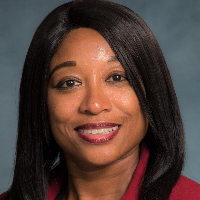
Georgia · 8 yrs exp
Compassionate counselor for stress and recovery
Stress, Anxiety · Relationship · Family · Grief · +11 more
Read profile
Maryland · 6 yrs exp
Compassionate support for stress and addiction recovery
Stress, Anxiety · Trauma and abuse · Self esteem · Coping with life changes · +10 more
Read profile
Pennsylvania · 12 yrs exp
Healing focused and goal oriented
Stress, Anxiety · Relationship · Self esteem · Depression · +11 more
Read profile
North Carolina · 10 yrs exp
Faith-informed clinical social worker focusing on recovery
Stress, Anxiety · Relationship · Family · Bipolar · +16 more
Read profile
Louisiana · 22 yrs exp
Compassionate, practical support for life challenges
Stress, Anxiety · Relationship · Family · Grief · +11 more
Read profile
Florida · 10 yrs exp
Compassionate LCSW helping people make practical change
Stress, Anxiety · Addictions · Family · Grief · +8 more
Read profile
Florida · 30 yrs exp
Compassionate clinician focusing on lasting change
Stress, Anxiety · Relationship · Trauma and abuse · Depression · +14 more
Read profile
Florida · 15 yrs exp
Compassionate, skill-focused support for addictions and mood
Stress, Anxiety · Addictions · Trauma and abuse · Self esteem · +14 more
Read profile
Florida · 20 yrs exp
Compassionate practical care for life changes
Addictions · Relationship · Trauma and abuse · Parenting · +14 more
Read profile
Virginia · 31 yrs exp
Experienced Virginia LCSW focused on life transitions
Stress, Anxiety · Relationship · Family · Trauma and abuse · +12 more
Read profile
Florida · 17 yrs exp
Compassionate counseling for everyday struggles
Stress, Anxiety · Trauma and abuse · Eating · Self esteem · +14 more
Read profile
Georgia · 25 yrs exp
Compassionate social worker focused on practical support
Stress, Anxiety · Parenting · Anger · Self esteem · +15 more
Read profile
Florida · 14 yrs exp
Supportive LCSW for stress and addiction concerns
Stress, Anxiety · Trauma and abuse · Grief · Self esteem · +13 more
Read profile
Florida · 24 yrs exp
Compassionate, practical counseling for life changes
Stress, Anxiety · Addictions · Grief · Self esteem · +14 more
Read profile
Florida · 28 yrs exp
Compassionate, practical help for life’s hardest problems
Stress, Anxiety · Addictions · Trauma and abuse · Self esteem · +13 more
Read profile
Florida · 20 yrs exp
Compassionate social worker for life challenges
Stress, Anxiety · Trauma and abuse · Grief · Self esteem · +12 more
Read profile
Missouri · 17 yrs exp
Compassionate counselor for life and addiction challenges
Stress, Anxiety · Addictions · Relationship · Anger · +9 more
Read profile
North Carolina · 30 yrs exp
Experienced counselor for addiction and stress
Stress, Anxiety · Addictions · LGBT · Trauma and abuse · +1 more
Read profile
North Carolina · 20 yrs exp
Practical therapy for addiction and mood struggles
Stress, Anxiety · Addictions · LGBT · Relationship · +1 more
Read profile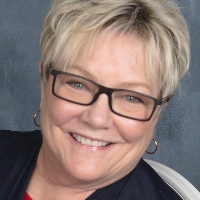
Florida · 40 yrs exp
Experienced LCSW guiding practical change
Addictions · Relationship · Grief · Depression · +13 more
Read profileCompulsion can show up as repetitive urges or behaviors that feel difficult to resist, whether those behaviors involve substances, gambling, shopping, food, or other actions. You may notice persistent thoughts, strong cravings, or repeated patterns that interfere with work, relationships, or family life. Those patterns can create worry about relapse, guilt about past choices, and practical strains such as missed responsibilities or financial harm. You are not alone in facing these concerns, and it is reasonable to look for a therapist who lists compulsion among their areas of focus so you can discuss how these patterns operate for you.
Profiles on this site let you see how therapists describe their focus, the approaches they mention, and the languages in which they work. Reading multiple profiles can help you recognize which clinicians emphasize behavioral patterns, cravings and relapse prevention, or work more with underlying emotional triggers. Keep in mind that a listed focus does not guarantee a particular setting, population, or outcome. It does give you starting points for questions about how a therapist would address the specific ways compulsion shows up in your life.
Compulsion and substance-use concerns often overlap, but one does not automatically cause the other. You may experience compulsive behaviors that are part of a substance-use pattern, or you may encounter compulsions that involve behaviors without substance use. When compulsion and substance use co-occur, you might face additional challenges such as cravings that prompt automatic behavior, increased worry about relapse, and impacts on family or work. Describing these connections to a therapist helps clarify whether the focus will be on the behavior itself, co-occurring mental health concerns, or both.
It is important to understand the limits of online talk therapy. Remote counseling can help you explore triggers, coping strategies and relapse worries, but it is not a medical detox, medically supervised withdrawal service, or residential rehabilitation program. If you are at risk of withdrawal, overdose, or immediate harm, you need medical attention. If you are in the United States and need urgent mental health support, call 911 or the Suicide & Crisis Lifeline at 988. For substance-use treatment referral and information, call the SAMHSA National Helpline at 1-800-662-HELP (4357). A therapist’s profile may note experience with substance-use concerns, but it cannot replace emergency medical care when it is needed.
When you read profiles, think in terms of specific questions you would ask a clinician before beginning work together. You might ask how they typically conceptualize compulsion - whether they focus on behavior change, craving management, or underlying emotions - and which approaches they list among the ones they use. Some profiles will say therapists who list cognitive-behavioral methods, motivational approaches, mindfulness practices, or trauma-informed perspectives among their approaches; those mentions are options to discuss rather than proof of particular training or certification.
It is also important to ask about experience with concerns similar to yours. Consider asking if the clinician has worked with people who face substance-use and compulsive behaviors together, what kinds of life contexts they commonly see, and whether they have experience with the specific age group or cultural background that matters to you. Verify practical matters too - ask whether they hold a valid license to practice in your state or listed location. Academic degrees such as PhD, PsyD, MD, MA, or MSW reflect training, but a degree alone does not establish current permission to practice. You should confirm licensure and whether the therapist is authorized to work with you in your jurisdiction.
Before beginning online sessions you should discuss how the clinician handles emergency situations and what steps they recommend if you face acute risk or withdrawal. Clarify how they coordinate with medical providers if you need medically supervised withdrawal or other specialized treatment. Ask how the therapist frames goals and progress, how they measure whether an approach is working, and how often you should expect to revisit the plan. These conversations help you understand whether the therapist’s approach aligns with your priorities and safety needs.
Talk about communication preferences and session logistics - what forms of contact are used for scheduling or urgent concerns, how appointments are conducted, and what to expect in the first few sessions. If language or cultural understanding is important to you, confirm the languages the clinician lists on their profile and ask about relevant cultural competence or lived experience. Also discuss whether the clinician routinely consults with or refers to other professionals when medical intervention or specialized services are needed. This will help you see how therapy might fit alongside medical care, peer supports, or community resources.
Comparing profiles effectively means looking at several dimensions together. Read how each profile describes focus areas - some clinicians list compulsion alongside substance-use concerns, mood disorders, trauma, or impulse-control issues. Paying attention to adjacent areas gives you a sense of whether a therapist commonly works with co-occurring concerns you may have. Look at the approaches mentioned in profiles as options to discuss. For instance, you may find therapists who list mindfulness-based skills, motivational strategies, or cognitive-behavioral work among their approaches; bring up these options during an initial conversation so you can understand how the clinician would adapt them to your situation.
Credentials and professional degrees are important to note. Profiles may show degrees such as PhD, PsyD, MD, MA, or MSW; these indicate educational background but do not by themselves confirm a current license or right to practice in your state. Ask about the clinician’s professional license and their permission to serve clients in your listed location. Consider language preferences and communication style as well - a therapist who lists your preferred language or describes a relational, direct, or skills-focused style may be a better fit for your needs. Remember that a listed topic does not guarantee that the therapist treats children, couples, or families, so raise those specifics directly if they matter to you.
Finally, use profiles to prepare for a first contact. Formulate questions about how the clinician would approach your primary concern, how they handle crisis or medical referrals, and what measures they use to track progress. Profiles are a starting point for dialogue; the most useful next step is to reach out and ask focused questions that match your goals and safety needs. Taking that approach lets you evaluate how a therapist’s focus areas, languages, credentials and style might fit with the practical and emotional support you are seeking.
Alabama
13 therapists
Alaska
2 therapists
Arizona
9 therapists
Arkansas
5 therapists
California
19 therapists
Colorado
8 therapists
Connecticut
5 therapists
Delaware
33 therapists
District of Columbia
23 therapists
Florida
1068 therapists
Georgia
389 therapists
Hawaii
3 therapists
Idaho
3 therapists
Illinois
11 therapists
Indiana
8 therapists
Iowa
4 therapists
Kansas
2 therapists
Kentucky
5 therapists
Louisiana
11 therapists
Maine
2 therapists
Maryland
134 therapists
Massachusetts
3 therapists
Michigan
8 therapists
Minnesota
2 therapists
Mississippi
4 therapists
Missouri
5 therapists
Nebraska
1 therapist
Nevada
2 therapists
New Hampshire
3 therapists
New Jersey
8 therapists
New Mexico
2 therapists
New York
18 therapists
North Carolina
364 therapists
Ohio
15 therapists
Oklahoma
1 therapist
Oregon
1 therapist
Pennsylvania
20 therapists
Rhode Island
1 therapist
South Carolina
155 therapists
Tennessee
11 therapists
Texas
28 therapists
Utah
7 therapists
Vermont
2 therapists
Virginia
166 therapists
Washington
5 therapists
West Virginia
39 therapists
Wisconsin
4 therapists
Wyoming
1 therapist