
Aisha Simons
LPCGeorgia · 20 yrs exp
Practical support for stress and addiction recovery
Stress, Anxiety · Addictions · Relationship · Self esteem · +12 more
Read profileTherapist listings come from BetterHelp. We will earn a commission, at no additional cost to you, if you purchase through our links.
Compare therapists who list addictions and substance-use concerns in Georgia by approach, academic degrees, professional licenses, languages, and clinical focus. Browse the profiles below to review each therapist's listed location and details, then contact the clinician directly to confirm they can work with you where you live.
Profiles describe areas therapists report working with and the approaches they list, but a listed specialty is not evidence of certification or a license to practice. Use the profile information as a starting point for questions and conversations.
Georgia · 20 yrs exp
Practical support for stress and addiction recovery
Stress, Anxiety · Addictions · Relationship · Self esteem · +12 more
Read profile
Georgia · 19 yrs exp
Hopeful, practical support for life challenges
Stress, Anxiety · Relationship · Family · Trauma and abuse · +7 more
Read profile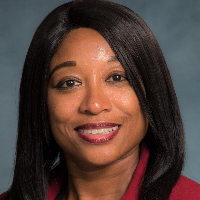
Georgia · 8 yrs exp
Compassionate counselor for stress and recovery
Stress, Anxiety · Relationship · Family · Grief · +11 more
Read profile
Georgia · 19 yrs exp
Calm, practical therapy for real-life struggles
Stress, Anxiety · Addictions · Trauma and abuse · Self esteem · +11 more
Read profile
Georgia · 25 yrs exp
Compassionate social worker focused on practical support
Stress, Anxiety · Parenting · Anger · Self esteem · +15 more
Read profile
Georgia · 11 yrs exp
Addiction-focused counselor using CBT
Addictions · Relationship · Trauma and abuse · Bipolar · +1 more
Read profile
Georgia · 20 yrs exp
Compassionate, practical support for life and recovery
Stress, Anxiety · Addictions · Relationship · Trauma and abuse · +11 more
Read profile
Georgia · 18 yrs exp
Compassionate, practical counseling for real-life problems
Stress, Anxiety · Trauma and abuse · Self esteem · Depression · +7 more
Read profile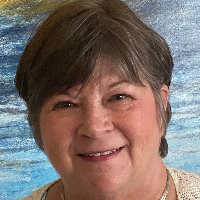
Georgia · 29 yrs exp
Experienced LPC helping people navigate life changes
Stress, Anxiety · Self esteem · Depression · Coping with life changes · +13 more
Read profile
Georgia · 34 yrs exp
Addiction and life-change focused counselor
Stress, Anxiety · Addictions · Anger · Self esteem · +12 more
Read profile
Georgia · 9 yrs exp
Compassionate counselor with experience in addictions
Stress, Anxiety · Anger · Self esteem · Bipolar · +11 more
Read profile
Georgia · 31 yrs exp
Practical, experienced guidance for life changes
Stress, Anxiety · Addictions · Trauma and abuse · Bipolar · +11 more
Read profile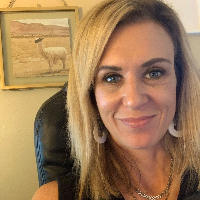
Georgia · 18 yrs exp
Experienced counselor for life changes
Stress, Anxiety · Relationship · Family · Parenting · +16 more
Read profile
Georgia · 9 yrs exp
Compassionate, goal-focused counseling in Georgia
Stress, Anxiety · Addictions · Relationship · Family · +6 more
Read profile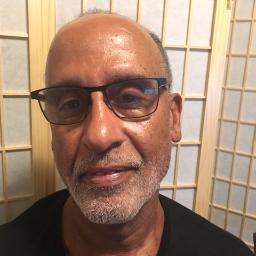
Georgia · 35 yrs exp
Compassionate, practical care for life’s challenges
Stress, Anxiety · Relationship · Family · Parenting · +12 more
Read profile
Georgia · 3 yrs exp
Recovery-focused LCSW guiding practical change
Addictions · Family · Self esteem · Stress, Anxiety · +7 more
Read profile
Georgia · 20 yrs exp
Compassionate care for life transitions and addiction recovery
Stress, Anxiety · Relationship · Career · Depression · +13 more
Read profile
Georgia · 11 yrs exp
Compassionate counselor for recovery and coping
Stress, Anxiety · Addictions · Family · Trauma and abuse · +13 more
Read profile
Georgia · 7 yrs exp
Compassionate counselor for life transitions
Stress, Anxiety · Addictions · Relationship · Family · +8 more
Read profile
Georgia · 15 yrs exp
Compassionate, practical support for life changes
Stress, Anxiety · Addictions · Anger · Depression · +12 more
Read profile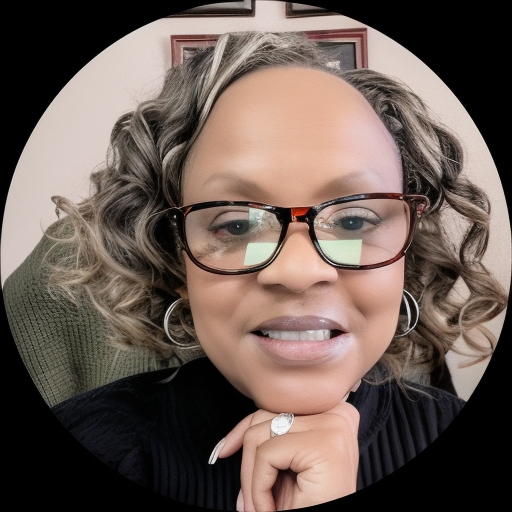
Georgia · 30 yrs exp
Hopeful, practical support for life changes
Stress, Anxiety · Addictions · Grief · Self esteem · +4 more
Read profile
Georgia · 15 yrs exp
Compassionate support for life's hard moments
Stress, Anxiety · Relationship · Grief · Self esteem · +11 more
Read profile
Georgia · 18 yrs exp
Practical support for stress and addictions recovery
Stress, Anxiety · Addictions · Relationship · Family · +15 more
Read profile
Georgia · 18 yrs exp
Practical counseling for stress and addiction recovery
Stress, Anxiety · Depression · Addictions · Trauma and abuse · +1 more
Read profileWhen you are looking for support for substance use or behavioural patterns, you are likely juggling practical pressures and emotional strain. You might be managing cravings, worrying about relapse, noticing changes in relationships, or facing consequences at work. Therapy can help you explore patterns, develop coping strategies, and address underlying issues such as stress, trauma, or mood challenges. It is important to remember that talk-based care listed in these profiles is distinct from medical detox, medically supervised withdrawal, or residential programs. If you are at risk of withdrawal symptoms, overdose, or any medical emergency, you need immediate medical attention. If you are in immediate danger, call 911. In the United States, you can call or text 988 for the Suicide & Crisis Lifeline or contact SAMHSA’s National Helpline at 1-800-662-HELP (4357) for treatment referral and support.
As you read profiles, think about what you most want to address. Do you want help managing cravings and triggers, repairing relationships affected by substance use, or addressing co-occurring anxiety or depression? Naming your priorities will make it easier to compare clinicians and ask direct questions about their relevant experience. Keep in mind that a therapist listing Addictions among their specialties is a starting point, not a guarantee of a specific training or outcome.
The directory groups profiles under the listed location Georgia. A listed location does not prove that a therapist has an office there, that they live there, or that they hold an active license in that state. You should review each profile for details and ask the clinician to confirm their permission to work with you where you live. Academic degrees and professional licenses serve different purposes and both matter when you are evaluating profiles. Degrees such as PhD, PsyD, MD, MA, and MSW describe academic and clinical training. They are not the same as a license or registration that authorizes practice in a state. Licenses or registrations indicate legal permission to provide psychotherapy or counseling in a jurisdiction; a degree alone does not establish that permission.
When you read a profile, look for how the clinician describes their credentials and wording about licensure. Ask the therapist to name their license and the state where it is active if that information is not clear. You can also request that they confirm they are authorized to work with you in Georgia or in the state where you are located during sessions. This step avoids misunderstandings and ensures the clinician can legally provide services to you.
Profiles will often list therapeutic approaches and areas of focus. These descriptions indicate what the clinician lists on their profile, not proof of a particular certification or outcome. You may see references to cognitive-behavioral approaches, motivational interviewing, relapse prevention strategies, family systems work, or references to clinicians who list EMDR among their approaches. Use these entries as cues for conversation rather than assumptions.
When you contact a clinician, ask concrete questions about their experience and how they would approach your situation. For example, ask how they typically work with clients who struggle with cravings, what steps they recommend for someone worried about relapse, and how they involve family or employers when appropriate. You can ask about their experience with any co-occurring conditions you have and how they coordinate care with medical providers. A useful question is how they assess risk for withdrawal and what they recommend when medical support is needed. These kinds of questions help you understand whether their style and experience align with your needs.
If you are considering online talk therapy, it helps to cover logistical and clinical concerns before beginning. Confirm with the clinician that they are permitted to practice with you in your state and ask how they handle emergencies and urgent needs. Clarify what they mean by session length and frequency, and ask what they expect in terms of homework or between-session work. Discuss how you will communicate between sessions and whether that communication is included or billed separately. It is also appropriate to ask about their approach to privacy and record keeping so you understand how they manage notes and session information, while keeping in mind that these profiles do not include detailed administrative policies.
Make sure you and the clinician have an agreed plan if a situation arises that requires medical attention, such as risk of severe withdrawal or overdose. Online psychotherapy is not a substitute for medical detox or inpatient treatment. If you believe you are at risk, seek medical care immediately and use crisis resources like 988 or SAMHSA’s helpline at 1-800-662-HELP (4357) for guidance on local treatment options. Before you begin, ask specific questions about how the clinician coordinates with physicians, addiction medicine specialists, or local treatment programs when medical interventions are needed.
When comparing profiles you should look for practical markers that influence your experience. Focus areas describe populations or issues a clinician lists, but they do not establish that the therapist treats children, couples, or families. If you need help in a particular context, ask whether the clinician has direct experience with that population. Languages spoken are easy to compare and can be essential if you prefer therapy in a language other than English. Credentials include academic degrees and any professional licenses; remember to ask which license they hold and where it is active. A degree such as an MA or MSW indicates educational background, while a license indicates legal permission to practice.
Therapeutic style is another important element that you can often glean from a profile but should explore in conversation. Some clinicians emphasize structured, skills-based work, while others describe a more exploratory or relational style. Ask how they typically structure sessions when addressing substance use, what they view as short-term versus longer-term goals, and how they measure progress. Consider concrete comparison questions such as do they use evidence-informed strategies like motivational interviewing, do they integrate work with family members when appropriate, and how do they address relapse when it occurs. These questions will help you evaluate which profile aligns most closely with how you want to work.
As you narrow choices, reach out to clinicians with a short message about your needs and a few direct questions. Confirm their listed location and their permission to work with you where you live, verify their license and its active status, and ask how they handle coordination with medical care when withdrawal risk is present. Use profile information to inform a conversation rather than to make a final decision. In-person or online sessions may feel different for everyone, so plan a brief initial conversation and trust your judgment about whether the clinician's approach, experience, and communication style fit your needs.
Addictions
2633 therapists
Anger
2031 therapists
Compulsion
705 therapists
Control Issues
1173 therapists
Depression
2457 therapists
Gambling
606 therapists
Grief
2047 therapists
Guilt and Shame
1640 therapists
Impulsivity
1043 therapists
Isolation / Loneliness
1526 therapists
Mood Disorders
1422 therapists
Post-Traumatic Stress
1485 therapists
Self Esteem
2348 therapists
Smoking
298 therapists
Stress & Anxiety
2538 therapists
Trauma and Abuse
2219 therapists