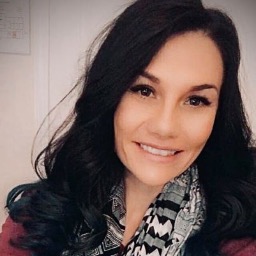
Kayla Sterling
LCSW, CSWWyoming · 11 yrs exp
Compassionate care for stress and addiction recovery
Stress, Anxiety · Trauma and abuse · Intimacy-related issues · Self esteem · +15 more
Read profileTherapist listings come from BetterHelp. We will earn a commission, at no additional cost to you, if you purchase through our links.
Compare profiles of clinicians who list addictions and substance-use concerns among their specialties in Wyoming, including approaches, languages, credentials and focus areas. Browse the profiles below and check each listed location and individual profile to confirm the clinician is permitted to work with you where you live.
If you are facing cravings, patterns of use that worry you, or recurring cycles of relapse, you are not alone in seeking help. Many people look to talk-based care for support with managing triggers, exploring underlying causes, rebuilding relationships, and developing coping strategies. It can be helpful to think of therapy as one form of help that focuses on reflection, skills, motivation and behavioral change rather than a medical intervention. Online talk therapy is not detox, medically supervised withdrawal, or residential rehab. If you are at risk of withdrawal, overdose, or need immediate medical attention, you should seek emergency medical care. For urgent crisis support in the United States, call or dial 988. For substance-use treatment referrals and information, you can call the SAMHSA National Helpline at 1-800-662-HELP (4357).
When you read profiles in the Wyoming group, notice how clinicians describe the kinds of substance-use concerns they address and the kinds of problems that commonly accompany addiction, such as stress at work, family strain, mood symptoms, or legal and housing challenges. These descriptions can help you identify clinicians whose focus areas match your needs. Keep in mind that a listing of addictions among specialties is not evidence of a particular certification, diagnostic service, or guaranteed suitability for your situation; use the profile as a starting point for questions and conversation.
Profiles grouped under the Wyoming listed location are meant to help you find clinicians who identify Wyoming as their recorded area of practice. That grouping is not proof that a clinician has an office in your town, that they are physically near you, or that they hold an active license in Wyoming. The directory groups profiles by listed location to make searching easier, but you should always open an individual profile and verify details directly with the clinician before you plan to work together. Confirm that the clinician states they are permitted to practice with clients who live in your state or county and ask about any geographic limits on their practice.
You should also be aware that a clinician might describe offering online sessions or phone support in their profile without specifying every limitation. Before any commitment, ask whether the clinician is legally allowed to provide services to people residing in Wyoming and whether they have procedures for emergencies or local referrals. This step reduces misunderstandings and helps you know whether a profile represents a practical option where you live.
When you review profiles you will see academic degrees and possibly listings that mention licenses or registrations. Academic degrees such as PhD, PsyD, MD, MA or MSW indicate educational attainment but do not by themselves show that a clinician is currently permitted to practice in a particular jurisdiction. Licenses and registrations, which are issued by state boards or comparable authorities, are what grant legal permission to provide clinical services. Because license rules differ by state, ask each clinician on their profile whether they hold a current, active license in the place where you live and what type of license it is.
It is reasonable to ask where a license was issued, whether it is in good standing, and whether the clinician is bound by the regulatory requirements of that licensure body. If you prefer a clinician with a particular background, you can ask about the combination of academic training and the professional license. Keep in mind that the presence of a degree or the listing of an approach in a profile does not document current licensure, special certification, or a regulatory status. Verification is something you should seek directly from the clinician or the licensing authority if that is important to your choice.
Profiles often mention theoretical approaches and areas of experience, and those mentions are best used as conversation starters. If an approach is important to you, ask whether the clinician lists that approach among their ways of working and how they typically apply it with people who have substance-use concerns. For example, you might ask how they address cravings, what kinds of relapse planning they use, whether they include family members in sessions when appropriate, and how they track progress. Phrase questions so you learn about the clinician's practical experience, such as whether they have worked with people who use specific substances, manage co-occurring mental health symptoms, or face particular legal or work-related consequences.
Ask concrete questions about typical session content and supports. You can ask how the clinician helps clients cope with triggers, whether they include skills practice between sessions, how they support motivation for change, and what approaches they combine for someone with complex needs. When profiles mention approaches like cognitive behavioral strategies, motivational interviewing, or that a clinician lists EMDR among their approaches, remember that the listing does not prove training or certification in a method - it simply indicates an approach the clinician reports using. Asking for examples of how they apply an approach can help you assess fit.
Before beginning online sessions, have a conversation about logistics and expectations so you know what to expect. Talk about how the clinician manages privacy and records, what platforms they use for video or messaging, their policies for missed sessions, and how they handle emergencies or the need for higher levels of care. Even though a profile can tell you a lot about focus areas, it cannot replace a direct conversation about whether the clinician will coordinate with medical providers, what local referrals they maintain, and how they will act if you face withdrawal or overdose risks. If you have medical concerns, make sure you maintain contact with a medical provider who can address those needs.
When comparing profiles, look for clear statements about focus areas, the populations a clinician describes working with, the languages they use in sessions, and the professional credentials they list. Pay attention to how a clinician describes their style - whether they emphasize practical skills, exploration of life history, or a supportive coaching tone - and imagine whether that would fit your preferences. Concrete comparison questions include asking how much experience they have with the specific substance or patterns you are concerned about, whether they work with partners or family members, and which languages they can use in sessions. Use these factors to narrow choices and then reach out to those whose profiles align most closely with the support you want.
Ultimately, profiles are tools to help you find potential matches, not guarantees. Confirm permission to work together where you live, verify licensure if that matters to you, and ask specific, practical questions about approach and experience. Taking these steps will help you move from browsing profiles to a clear, informed conversation with a clinician who may be able to support the goals you set for addressing substance-use concerns.
Addictions
2633 therapists
Anger
2031 therapists
Compulsion
705 therapists
Control Issues
1173 therapists
Depression
2457 therapists
Gambling
606 therapists
Grief
2047 therapists
Guilt and Shame
1640 therapists
Impulsivity
1043 therapists
Isolation / Loneliness
1526 therapists
Mood Disorders
1422 therapists
Post-Traumatic Stress
1485 therapists
Self Esteem
2348 therapists
Smoking
298 therapists
Stress & Anxiety
2538 therapists
Trauma and Abuse
2219 therapists