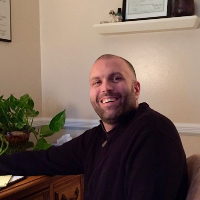
Michael Pfisterer
LCSWSouth Carolina · 14 yrs exp
Goal-focused LCSW helping with addiction and mood
Stress, Anxiety · Parenting · Depression · Addictions · +14 more
Read profileTherapist listings come from BetterHelp. We will earn a commission, at no additional cost to you, if you purchase through our links.
Browse profiles of clinicians listed in South Carolina who include addiction and substance-use concerns among their specialties. Use the profile details to compare professional credentials, therapeutic approaches, languages, and focus areas, then open a profile to confirm a clinician's permission to work with you where you live.
This page groups profiles by the listed location South Carolina and is a starting point to find clinicians who list these concerns, not an endorsement of any specific practitioner.
South Carolina · 14 yrs exp
Goal-focused LCSW helping with addiction and mood
Stress, Anxiety · Parenting · Depression · Addictions · +14 more
Read profile
South Carolina · 36 yrs exp
Experienced therapist for addiction and mood concerns
Stress, Anxiety · Addictions · Family · Trauma and abuse · +3 more
Read profile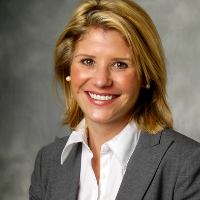
South Carolina · 20 yrs exp
Compassionate, practical therapy for life’s challenges
Stress, Anxiety · Relationship · Eating · Self esteem · +10 more
Read profile
South Carolina · 5 yrs exp
Compassionate counseling with a practical focus
Relationship · Family · Trauma and abuse · Intimacy-related issues · +15 more
Read profile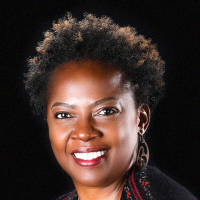
South Carolina · 8 yrs exp
Compassionate counselor focused on practical change
Stress, Anxiety · Relationship · Family · Coping with life changes · +11 more
Read profile
South Carolina · 8 yrs exp
Compassionate person-centered counselor
Stress, Anxiety · Trauma and abuse · Self esteem · Depression · +16 more
Read profile
South Carolina · 25 yrs exp
Direct, strengths-focused therapist
Addictions · Relationship · Grief · Self esteem · +9 more
Read profile
South Carolina · 20 yrs exp
Calm, practical therapy for life transitions
Stress, Anxiety · Grief · Self esteem · Depression · +7 more
Read profile
South Carolina · 28 yrs exp
Practical counseling for stress and addictions
Stress, Anxiety · Addictions · Relationship · Trauma and abuse · +8 more
Read profile
South Carolina · 21 yrs exp
Compassionate counselor for addiction and life change
Relationship · Grief · Parenting · Depression · +14 more
Read profile
South Carolina · 17 yrs exp
Practical, experienced counseling for life changes
Stress, Anxiety · Relationship · Family · Trauma and abuse · +13 more
Read profile
South Carolina · 6 yrs exp
Centered counselor for practical recovery
Stress, Anxiety · Family · Trauma and abuse · Anger · +14 more
Read profile
South Carolina · 35 yrs exp
Healing practical habits and relationships
Addictions · Relationship · Intimacy-related issues · Self esteem · +1 more
Read profile
South Carolina · 18 yrs exp
Support for stress, relationships, and addiction recovery
Stress, Anxiety · Relationship · Family · Trauma and abuse · +6 more
Read profile
South Carolina · 32 yrs exp
Experienced clinical social worker focused on practical change
Stress, Anxiety · Relationship · Anger · Depression · +4 more
Read profile
South Carolina · 10 yrs exp
Compassionate support for life transitions
Stress, Anxiety · Addictions · Grief · Depression
Read profile
South Carolina · 5 yrs exp
Compassionate help for stress and addictions
Stress, Anxiety · Addictions · Self esteem · Depression · +1 more
Read profile
South Carolina · 16 yrs exp
Calm guidance for lasting change
Stress, Anxiety · Relationship · Trauma and abuse · Depression · +3 more
Read profile
South Carolina · 13 yrs exp
Compassionate, practical counseling for recovery
Stress, Anxiety · Addictions · Trauma and abuse · Self esteem · +1 more
Read profile
South Carolina · 24 yrs exp
Hope-focused addiction and life coaching
Stress, Anxiety · Addictions · Family · Parenting · +12 more
Read profile
South Carolina · 20 yrs exp
Compassionate practical care for real-life challenges
Stress, Anxiety · LGBT · Relationship · Trauma and abuse · +14 more
Read profile
South Carolina · 12 yrs exp
Empathetic counselor focused on practical change
Stress, Anxiety · Relationship · Parenting · Depression · +10 more
Read profile
South Carolina · 26 yrs exp
Compassionate, direct help for addiction and trauma
Stress, Anxiety · Trauma and abuse · Intimacy-related issues · Depression · +11 more
Read profile
South Carolina · 25 yrs exp
Practical, steady counseling for meaningful change
Stress, Anxiety · Grief · Anger · Self esteem · +10 more
Read profileWhen substance use begins to affect your mood, relationships, work, or daily routines you may be trying to decide what kind of help to seek. You might be noticing changes in cravings, patterns of use, or worries about relapse. You may also be facing the emotional fallout that often accompanies addiction-related concerns - shame, anger, fear, or grief - and the practical consequences for family responsibilities and employment. In looking at profiles you will want to focus on how each clinician describes their areas of interest and experience with the kinds of patterns you are encountering. For example, some clinicians list experience supporting people with cravings and relapse prevention, while others emphasize addressing the underlying behavioral patterns that contribute to substance use. These descriptions are prompts for a conversation about how a clinician frames goals and measures progress rather than guarantees of particular outcomes.
It is also important to note that online talk therapy is not a substitute for medically supervised withdrawal, detox, or residential rehabilitation when those services are needed. If you are at risk of withdrawal, experiencing severe physical symptoms, or facing overdose risk you should seek medical care immediately. In the United States call 911 if you need urgent medical help, contact the National Suicide and Crisis Lifeline at 988 for emotional crisis support, or call the SAMHSA National Helpline at 1-800-662-HELP (4357) for treatment referrals and guidance.
The directory groups profiles under the listed location South Carolina to help you find clinicians who indicate a connection to that state. That listed location does not itself confirm an in-person office, a current license in that state, or that the clinician is permitted to provide services to you in your area. When you open a profile, look for clear statements about where the clinician is authorized to practice and whether they can legally engage with clients who live in South Carolina. Ask directly about their permission to work with you in your state before beginning any sessions.
Professional degrees and professional licenses are not the same thing. Degrees such as PhD, PsyD, MD, MA, or MSW describe academic education. Licenses or registrations - for example clinical social work, professional counseling, marriage and family therapy, or medical licenses - are the legal permissions that allow someone to provide clinical services in a given jurisdiction. A degree alone does not prove current legal permission to practice. When reviewing a profile, note both the degree and any licensure details the clinician lists, and verify those claims through direct conversation or the appropriate state licensing board if that is important to you.
Before you connect with a clinician, prepare a few concrete questions that address your priorities. You might ask: "How do you typically work with people who are managing cravings or returning to use after a period of abstinence?" or "How do you address the effects of substance use on family relationships and work?" These specific prompts invite clinicians to describe their typical focus and the kinds of strategies they discuss. If you have preferences for certain approaches, you can ask whether the clinician lists those modalities among their approaches - for example, therapists who list motivational interviewing, cognitive-behavioral approaches, or relapse prevention among their approaches - and how they incorporate those approaches into their work.
Also ask about the clinician's experience with populations similar to yours. A direct question such as "What experience do you have supporting people with the substance(s) I'm concerned about?" or "Have you worked with people who are balancing care with parenting or employment responsibilities?" will help you understand whether their prior caseload included issues similar to yours. Keep in mind that listing an approach on a profile is a starting point for discussion rather than evidence of specialty training or a guarantee of outcomes.
When you are considering online talk therapy, plan to discuss practical and safety items early. Confirm that the clinician has permission to provide services to someone living in your state and describe how they handle emergency situations. Because online therapy cannot provide medical detox or supervised withdrawal, explain any concerns about withdrawal symptoms, recent overdoses, or medication needs and ask how the clinician will support coordination with medical providers. If you use medication-assisted treatment or other prescribed medications, ask how the clinician collaborates with prescribers and whether they have experience integrating behavioral support with medical care.
Talk about what you want to achieve in therapy and what a typical session looks like for that clinician. Ask how they track progress and how you might reassess goals together. You should also discuss practical matters such as how sessions are conducted, what technology is used, and how the clinician manages records and follow-up. If you are worried about language or cultural factors, request information about the clinician's experience with the communities you identify with and whether they can provide services in your preferred language. These conversations help you and the clinician decide whether to move forward with an initial appointment.
As you review multiple profiles, compare them across several concrete dimensions that matter to you. Focus areas give a quick sense of clinical attention - some clinicians list addiction broadly, while others highlight specific substances, co-occurring mental health concerns, or behavioral patterns like gambling or compulsive behaviors. Languages listed on a profile indicate whether you can speak with a clinician in a language other than English. Credentials listed on a profile should be read carefully; degrees reflect educational background, and any licensure or registration should be confirmed as current and valid for practice in your state.
Therapeutic style is another key area to evaluate. Some clinicians describe a collaborative, goal-focused style, while others note a reflective or exploratory approach. Rather than assuming that a listed approach guarantees a particular experience, ask a clinician to describe how they tailor their style to your needs. If you prefer a directive, skills-based approach to manage cravings or to develop relapse prevention plans, state that preference and ask how it would shape sessions. If you are looking for a clinician who will explore family dynamics or trauma history alongside substance-use concerns, say so and ask for examples of how previous work addressed those intersections.
Comparisons are most useful when you prioritize what matters to you and use profile language as prompts for conversation. Confirm licensure, ask about permission to work with you in South Carolina, and bring targeted questions about approach, experience, language, and clinical style to your initial conversation. That way you can make an informed decision about who to contact for an intake conversation and find a clinician whose profile suggests a good starting fit for your needs.
Addictions
2633 therapists
Anger
2031 therapists
Compulsion
705 therapists
Control Issues
1173 therapists
Depression
2457 therapists
Gambling
606 therapists
Grief
2047 therapists
Guilt and Shame
1640 therapists
Impulsivity
1043 therapists
Isolation / Loneliness
1526 therapists
Mood Disorders
1422 therapists
Post-Traumatic Stress
1485 therapists
Self Esteem
2348 therapists
Smoking
298 therapists
Stress & Anxiety
2538 therapists
Trauma and Abuse
2219 therapists