
Karen Kavaloski
LPC, LPCCMissouri · 17 yrs exp
Compassionate counselor for life and addiction challenges
Stress, Anxiety · Addictions · Relationship · Anger · +9 more
Read profileTherapist listings come from BetterHelp. We will earn a commission, at no additional cost to you, if you purchase through our links.
Compare profiles of therapists who list addictions and substance-use concerns in Missouri to review focus areas, clinical approaches, languages, and academic credentials. Browse the profiles below to learn more and select a profile to view details and contact information.
Missouri · 17 yrs exp
Compassionate counselor for life and addiction challenges
Stress, Anxiety · Addictions · Relationship · Anger · +9 more
Read profile
Missouri · 14 yrs exp
Compassionate LCSW helping people through addiction and trauma
Stress, Anxiety · Addictions · Trauma and abuse · Self esteem · +14 more
Read profile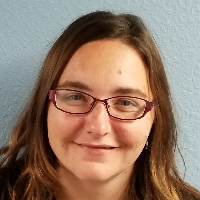
Missouri · 7 yrs exp
Practical counseling for life changes
Stress, Anxiety · Addictions · Family · Trauma and abuse · +15 more
Read profile
Missouri · 8 yrs exp
Practical, person-focused support for change
Stress, Anxiety · Family · Trauma and abuse · Self esteem · +11 more
Read profile
Missouri · 25 yrs exp
Calm, practical support for lasting change
Stress, Anxiety · Relationship · Trauma and abuse · Grief · +16 more
Read profileWhen you see profiles grouped under Missouri on this site, that grouping reflects the listed location on each profile and is intended to help you find professionals connected to the state. The listed location is not proof of an office, physical proximity, or current licensing status, and it does not guarantee that a clinician may legally work with you in every part of Missouri. Before you begin sessions you should look carefully at the individual profile to confirm the clinician's permission to provide services where you live and to ask about current licensure. It is reasonable to expect clarity about whether the professional holds a state license that authorizes them to work with residents in your area. Profiles may show academic degrees and approaches a clinician lists among their repertoire, but those items do not by themselves establish legal permission to practice with you. Always ask the person you are considering working with to confirm their credentials and the jurisdictions where they are permitted to offer care.
If you are looking for help with substance use or behavioral patterns that feel out of control, you are likely focused on immediate concerns such as cravings, the risk of relapse, and the ways use affects family, work, and daily functioning. When you review profiles, pay attention to language about areas of focus so you can decide whether a clinician lists experience relevant to your situation - for example, experience with alcohol, stimulants, opioids, behavioral addictions, or with people who are juggling work and caregiving responsibilities. Talk therapy can help you explore patterns, triggers, coping strategies, and the emotional consequences of substance use, but it is not medical detox, medically supervised withdrawal, or residential treatment. If you are at risk of withdrawal, think you may overdose, or are experiencing a medical emergency related to substance use, you should seek immediate medical attention. For crisis help in the United States call 988 for the Suicide and Crisis Lifeline or the SAMHSA National Helpline at 1-800-662-HELP (4357) for information about treatment options near you.
Profiles commonly list academic degrees such as PhD, PsyD, MD, MA, or MSW. These are important educational credentials that tell you about a clinician's training background, but they do not equate to a professional license or registration to practice. Licenses typically have titles like LCSW, LPC, LMFT, or similar state-regulated designations that indicate permission to provide clinical services. When you review profiles, note both the degrees and any licensing information that the clinician provides. If you do not see clear information, it is appropriate to ask the clinician directly which professional license they hold and whether that license allows them to offer care to residents of Missouri. You should also ask about the dates and states for any licenses mentioned and whether the clinician maintains an active credential. Clarifying these points helps you understand the difference between academic qualifications and legal authorization to practice in your location.
When you contact a clinician after reviewing a profile, prepare concrete questions that help you assess fit. Ask about their experience working with the specific substances or behaviors that concern you and about the populations they have worked with - for example, people balancing employment, parenting responsibilities, or court-related requirements. Inquire whether they list certain therapeutic approaches among their methods and ask what those approaches look like in practice for someone with your concerns. You can ask how they typically handle cravings and relapse prevention, how they involve family members when appropriate, and whether they coordinate care with medical providers when medication or medical monitoring is needed. If you are using or considering medication-assisted treatments, ask whether the clinician has experience supporting clients in that context and how they collaborate with prescribers. It is also appropriate to request information about how the clinician approaches information-sharing boundaries within sessions, what kinds of emergency protocols they rely on, and how they handle crisis situations between sessions. These concrete questions help you determine whether a clinician's style and experience align with your needs.
Before you begin online care you should discuss several practical issues with any clinician you are considering. Confirm whether the clinician has permission to work with you in your Missouri location, and ask how they manage situations that involve risk, medical withdrawal, or potential overdose. Clarify communication preferences - how the clinician handles appointment scheduling, what to expect about response times for non-urgent messages, and whether there is an established plan for urgent concerns. Discuss how records are kept and whether you will receive written summaries or treatment plans, and ask about the expected role of any family members or support people if you choose to involve them. If language access is important to you, verify which languages the clinician uses in sessions. You should also inquire about cultural competence and experience working with people who share aspects of your identity, such as race, ethnicity, sexual orientation, or faith tradition. These conversations set expectations and help you choose a person whose practice patterns fit your needs.
When you compare profiles on this site, look for patterns that matter to you rather than relying on a single label. Focus areas tell you what clinicians list as the issues they address most often. Some clinicians will list addictions and substance-use concerns alongside mental health topics such as anxiety or trauma. Others will emphasize family systems, vocational impacts, or relapse prevention. Language options listed on profiles can be essential if you prefer to work in a language other than English, so note which clinicians indicate multilingual services. Pay attention to the mix of academic degrees and any licensing information that clinicians provide - academic degrees inform training, while licenses indicate the legal basis for practice in a state. Consider therapeutic style as well - profiles often describe whether a clinician's approach is more directive, skills-based, exploratory, or supportive. For instance, you might look for a clinician who lists motivational approaches among their methods if you want help with ambivalence, or a clinician who lists trauma-focused approaches if past experiences are central to your concerns. When profiles mention particular modalities, remember that such listings reflect what a clinician reports using and are not evidence of specialized certification. Use the profile information to narrow your choices, then reach out with specific questions to confirm fit, permission to work with you in Missouri, and any other practical matters before committing to a course of care.
Choosing a clinician is a personal process. Taking time to compare profiles by the concrete details that matter to you - experience with particular substances or behaviors, degrees and licenses, language and cultural competence, and how a clinician describes their approach - can help you make an informed first contact. If you are in immediate danger or experiencing a medical emergency related to substance use, call local emergency services. For crisis support in the United States call 988 or the SAMHSA National Helpline at 1-800-662-HELP (4357).
Addictions
2633 therapists
Anger
2031 therapists
Compulsion
705 therapists
Control Issues
1173 therapists
Depression
2457 therapists
Gambling
606 therapists
Grief
2047 therapists
Guilt and Shame
1640 therapists
Impulsivity
1043 therapists
Isolation / Loneliness
1526 therapists
Mood Disorders
1422 therapists
Post-Traumatic Stress
1485 therapists
Self Esteem
2348 therapists
Smoking
298 therapists
Stress & Anxiety
2538 therapists
Trauma and Abuse
2219 therapists