
Brittany Coleman
LICSW, LCSW, CSWAlabama · 8 yrs exp
Practical, compassionate help for addictions and trauma
Addictions · Trauma and abuse · Grief · Anger · +1 more
Read profileTherapist listings come from BetterHelp. We will earn a commission, at no additional cost to you, if you purchase through our links.
Compare therapists listed in Alabama who address addiction and substance-use concerns to find profiles that match your needs. Browse profiles to compare focus areas, approaches, languages and credentials, and check each profile to confirm the clinician's permission to work where you live.
Alabama · 8 yrs exp
Practical, compassionate help for addictions and trauma
Addictions · Trauma and abuse · Grief · Anger · +1 more
Read profile
Alabama · 15 yrs exp
Candid, solution-focused addiction support
Stress, Anxiety · Family · Grief · Depression · +9 more
Read profile
Alabama · 29 yrs exp
Compassionate, practical support for life and addiction challenges
Stress, Anxiety · Addictions · Relationship · Family · +8 more
Read profile
Alabama · 12 yrs exp
Practical support for addiction and mood challenges
Stress, Anxiety · Addictions · Anger · Bipolar · +10 more
Read profile
Alabama · 19 yrs exp
Practical support for addictions and life changes
Addictions · Relationship · Anger · Self esteem · +9 more
Read profile
Alabama · 3 yrs exp
Clear, practical help for stress and addiction recovery
Stress, Anxiety · Addictions · Relationship · Family · +14 more
Read profile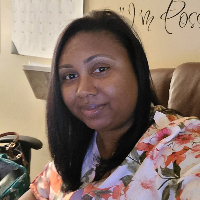
Alabama · 8 yrs exp
Practical, whole-person counseling for recovery and coping
Stress, Anxiety · Addictions · Grief · Anger · +10 more
Read profile
Alabama · 13 yrs exp
Therapist focused on practical change
Stress, Anxiety · Trauma and abuse · Anger · Depression · +12 more
Read profile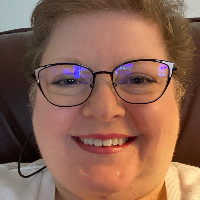
Alabama · 25 yrs exp
Compassionate social worker with practical tools
Stress, Anxiety · Relationship · Grief · Depression · +12 more
Read profile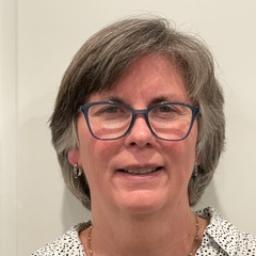
Alabama · 5 yrs exp
Experienced LPC offering practical support
Stress, Anxiety · Relationship · Bipolar · Depression · +9 more
Read profile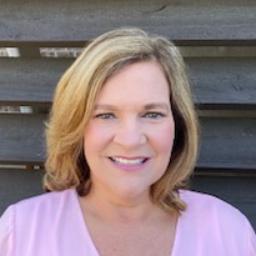
Alabama · 32 yrs exp
Compassionate counselor with practical strategies
Stress, Anxiety · Trauma and abuse · Grief · Self esteem · +8 more
Read profile
Alabama · 8 yrs exp
Compassionate social worker focusing on addiction and life stressors
Stress, Anxiety · Addictions · Grief · Depression · +7 more
Read profile
Alabama · 13 yrs exp
Practical support for stress and addictions
Stress, Anxiety · Addictions · Relationship · Trauma and abuse · +12 more
Read profileWhen you’re looking for help with addiction or substance-use concerns, you may be dealing with cravings, repeated behavioral patterns, or worries about relapse. These experiences often affect sleep, mood, relationships and performance at work or school. You may notice increased tension at home, changes in communication with family members, or practical problems such as missed responsibilities. It is normal to feel worried or uncertain about how talk-based care can help address these issues. Therapy can offer a place to explore patterns, develop strategies for coping with urges and work on the interpersonal consequences of substance-related behaviors, but it does not replace medical supervision for withdrawal or overdose risk.
People often come to therapy with questions about motivation, triggers and how to rebuild trust with loved ones. If you have concerns about a partner, child or family member, remember that a listed topic does not establish that a therapist treats children, couples or families. You should discuss your specific needs directly with any clinician whose profile interests you. Talking through the day-to-day impacts you are experiencing - on work, parenting, finances or legal matters - helps a clinician understand practical priorities you want to address.
The listing under Alabama groups profiles by the listed location on each clinician’s profile, but that does not guarantee a physical office within a particular town or proof of a current license. Profiles are a starting point for comparison. When you read a profile, look for explicit statements about a clinician’s professional license and a clear note that they have permission to practice with residents where you live. Academic degrees such as PhD, PsyD, MD, MA and MSW describe a clinician’s education, but they are not the same as a professional license or registration. A degree alone does not establish current permission to practice.
Licenses and titles may be shown on profiles in different ways. You may see references to licensed clinical social workers, licensed professional counselors, licensed marriage and family therapists, physicians or state-licensed psychologists. If licensing information is important to you, use the profile to determine the clinician’s stated license and then confirm that they are authorized to work with you in Alabama. If the profile does not make this clear, ask directly before arranging care.
When you contact a clinician based on a profile, prepare direct questions that help you compare how they describe their work. You can ask which populations they commonly work with and whether they list addictions among their specialty areas. Ask whether they have experience addressing the specific substance-use patterns or behavioral concerns you are facing. A helpful question is how they typically structure early sessions - whether they focus first on safety and stabilization, on developing coping strategies for cravings, or on exploring underlying factors that contribute to substance use.
Because profiles may list treatment options, you can ask about those options in context: for example, whether a therapist lists cognitive behavioral approaches, motivational interviewing, family-focused work or trauma-informed approaches among their approaches, and how they typically apply those options with clients. Use language that reflects the directory’s data: ask about "working with therapists who list EMDR among their approaches" rather than assuming one person holds a specific certification. Also ask how the clinician coordinates care with prescribing clinicians, medical providers or local services when medication, detox or medical monitoring may be relevant.
If you are considering online talk therapy, clarify early how the clinician handles emergencies and urgent medical concerns. Online talk therapy is not detox, medically supervised withdrawal, or residential rehab. If you are currently at risk of withdrawal or overdose, that is a medical matter that requires immediate attention from a healthcare provider or an emergency department. For immediate crisis help in the United States, you can call or text 988 for the Suicide & Crisis Lifeline or call the SAMHSA National Helpline at 1-800-662-4357 for information on local treatment resources.
Discuss with a prospective clinician how they would respond if you were experiencing severe cravings, withdrawal symptoms, or a crisis during an online session. Ask whether they will work with any local providers you name, and how they will handle referrals to local medical or in-person services. It is reasonable to request a discussion of boundaries, expected session structure and a plan for emergency contacts before you begin. If you are taking prescribed medication for substance-related needs or co-occurring conditions, talk about coordination with your prescriber so all members of your care team understand the plan.
Comparing profiles effectively means looking for concrete, comparable details. Check whether a profile lists addictions or specific substance-use concerns among focus areas and whether the clinician describes experience with related challenges such as co-occurring anxiety, depression, or trauma. Note the languages offered on the profile, which can be important if you prefer care in a language other than English. Look at the educational degrees that are listed and then look for a statement about professional licensing or registration. Remember that a degree such as an MA or MSW indicates education, while a license indicates legal permission to practice in a jurisdiction.
Pay attention to how clinicians describe their therapeutic style - whether they emphasize collaborative goal setting, skills work for managing cravings, family involvement, or longer-term exploratory work. These descriptions are personal statements, not guarantees, so use them to decide which clinicians you want to ask deeper questions. When a clinician’s profile raises questions, reach out with specific queries: ask how they define success in early work, how they measure progress, and what a typical week of sessions might focus on. Above all, verify details on the individual profile and confirm the clinician’s permission to work with you where you live before starting any sessions.
Addictions
2633 therapists
Anger
2031 therapists
Compulsion
705 therapists
Control Issues
1173 therapists
Depression
2457 therapists
Gambling
606 therapists
Grief
2047 therapists
Guilt and Shame
1640 therapists
Impulsivity
1043 therapists
Isolation / Loneliness
1526 therapists
Mood Disorders
1422 therapists
Post-Traumatic Stress
1485 therapists
Self Esteem
2348 therapists
Smoking
298 therapists
Stress & Anxiety
2538 therapists
Trauma and Abuse
2219 therapists