
Stacey Sugar
LCPC, LPCCCalifornia · 14 yrs exp
Change your story with steady support
Stress, Anxiety · Relationship · Family · Intimacy-related issues · +9 more
Read profileTherapist listings come from BetterHelp. We will earn a commission, at no additional cost to you, if you purchase through our links.
This page gathers profiles of therapists who list Guilt and Shame alongside addiction and substance-use concerns. Compare focus areas, approaches, languages, and listed location, then browse the profiles below to explore professionals whose descriptions match your needs.
California · 14 yrs exp
Change your story with steady support
Stress, Anxiety · Relationship · Family · Intimacy-related issues · +9 more
Read profile
Texas · 13 yrs exp
Practical, skills-focused therapy with steady support
Stress, Anxiety · Relationship · Trauma and abuse · Anger · +11 more
Read profile
Florida · 20 yrs exp
Experienced counselor focused on addiction recovery and family impact
Stress, Anxiety · Addictions · Relationship · Self esteem · +16 more
Read profile
Georgia · 19 yrs exp
Hopeful, practical support for life challenges
Stress, Anxiety · Relationship · Family · Trauma and abuse · +7 more
Read profile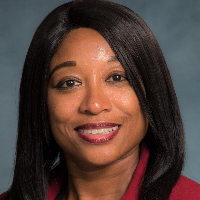
Georgia · 8 yrs exp
Compassionate counselor for stress and recovery
Stress, Anxiety · Relationship · Family · Grief · +11 more
Read profile
Florida · 25 yrs exp
Practical therapy for trauma and relationship struggles
Relationship · Trauma and abuse · Grief · Anger · +12 more
Read profile
Maryland · 6 yrs exp
Compassionate support for stress and addiction recovery
Stress, Anxiety · Trauma and abuse · Self esteem · Coping with life changes · +10 more
Read profile
Pennsylvania · 12 yrs exp
Healing focused and goal oriented
Stress, Anxiety · Relationship · Self esteem · Depression · +11 more
Read profile
North Carolina · 10 yrs exp
Faith-informed clinical social worker focusing on recovery
Stress, Anxiety · Relationship · Family · Bipolar · +16 more
Read profile
New York · 9 yrs exp
Practical, compassionate support for adults
Stress, Anxiety · Anger · Self esteem · Depression · +13 more
Read profile
Florida · 26 yrs exp
Seasoned therapist focused on steady, practical support
Stress, Anxiety · Relationship · Anger · Depression · +13 more
Read profile
Florida · 30 yrs exp
Experienced counselor focusing on practical recovery
Stress, Anxiety · Trauma and abuse · Bipolar · Depression · +16 more
Read profile
Florida · 10 yrs exp
Compassionate LCSW helping people make practical change
Stress, Anxiety · Addictions · Family · Grief · +8 more
Read profile
North Carolina · 20 yrs exp
Compassionate counselor focused on practical change
Stress, Anxiety · Relationship · Family · Self esteem · +9 more
Read profile
Florida · 15 yrs exp
Compassionate, skill-focused support for addictions and mood
Stress, Anxiety · Addictions · Trauma and abuse · Self esteem · +14 more
Read profile
Pennsylvania · 10 yrs exp
Compassionate clinician for practical change
Stress, Anxiety · Relationship · Grief · Self esteem · +8 more
Read profile
Georgia · 19 yrs exp
Calm, practical therapy for real-life struggles
Stress, Anxiety · Addictions · Trauma and abuse · Self esteem · +11 more
Read profile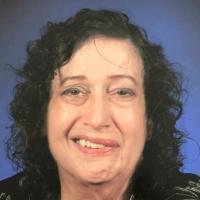
Florida · 30 yrs exp
Experienced psychologist helping people move forward
Stress, Anxiety · Grief · Anger · Depression · +15 more
Read profile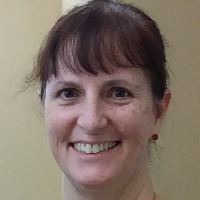
Florida · 32 yrs exp
Insight-focused therapist for life changes
Stress, Anxiety · Addictions · Relationship · Family · +13 more
Read profile
Florida · 20 yrs exp
Compassionate practical care for life changes
Addictions · Relationship · Trauma and abuse · Parenting · +14 more
Read profile
Virginia · 31 yrs exp
Experienced Virginia LCSW focused on life transitions
Stress, Anxiety · Relationship · Family · Trauma and abuse · +12 more
Read profile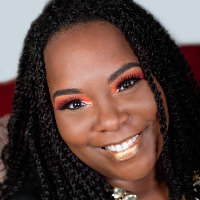
North Carolina · 30 yrs exp
Compassionate, holistic therapist for lasting change
LGBT · Relationship · Family · Trauma and abuse · +13 more
Read profile
Florida · 17 yrs exp
Compassionate counseling for everyday struggles
Stress, Anxiety · Trauma and abuse · Eating · Self esteem · +14 more
Read profile
Georgia · 25 yrs exp
Compassionate social worker focused on practical support
Stress, Anxiety · Parenting · Anger · Self esteem · +15 more
Read profileIf you are dealing with guilt or shame related to substance use, you are likely noticing how those emotions shape day-to-day decisions, relationships, and work life. Guilt typically centers on specific actions - feeling remorse about something you did or failed to do. Shame reaches deeper and can make you feel flawed or unworthy as a person. Both emotions can interact with cravings and patterns of use in complex ways. You may find that shame amplifies urges to use because it seems easier to numb the feeling than to face it, or that guilt leads to attempts to atone that feel unsustainable. Worries about relapse can also increase stress and make it harder to plan for triggers.
The impact often extends to family and work. You might be managing strained relationships, secrecy, or avoidance at home, or noticing that performance and reliability at work have been affected. If interpersonal consequences are present, they can reinforce shame and create a cycle that feels difficult to break. When you look for care, it helps to notice which aspects - emotional experience, cravings, behavioral patterns, or role-related consequences - are most pressing for you so you can find a therapist whose profile reflects attention to those concerns.
This directory groups profiles that include Guilt and Shame as a specialty or additional focus area alongside addiction and substance-use concerns. That grouping is designed to help you find clinicians who describe an interest in these topics, but a listed topic is not evidence of specialist certification, a particular therapy method, diagnostic services, treatment outcomes, or suitability for your situation. Each therapist in this directory also lists Addictions among their specialties; that listing alone does not confirm a specific credential or guarantee a particular approach.
When you review profiles, pay attention to how a therapist describes their focus rather than assuming every listed term indicates extensive experience with every related problem. A profile may highlight work with adults struggling with craving and relapse worries, or it may emphasize support for people coping with the emotional aftermath of substance use. A listed location gives you an indication of where a clinician operates, but it does not by itself establish whether they are permitted to practice with you. It is wise to verify licensure and permission to work in your state or jurisdiction directly with the clinician before beginning care.
Before you choose someone to contact, think about the specific questions that will help you compare profiles. Ask whether the clinician holds a current license to practice in your state and what professional license they hold, since academic degrees such as PhD, PsyD, MD, MA, and MSW are not the same as a license or registration. You can ask how they describe their experience working with people who struggle with cravings, relapse worries, or the workplace and family consequences of substance use. If you see therapeutic approaches listed in a profile, you might say that you are interested in discussing those options and ask how the clinician typically integrates them into care.
Concrete phrasing can make these conversations easier. Consider asking, for example, "Which populations do you most often work with when Guilt and Shame are a focus?", "How do you approach situations where withdrawal or medical risk may be present?", and "Do you have experience helping people manage work or family stress linked to substance use?" You can also ask about language accommodations or cultural experience if that matters to you. When therapists list methods among their approaches, refer to them as options to discuss - for instance, "I noticed you list EMDR among your approaches; can you describe how you might use that with someone dealing with shame related to substance use?" This keeps expectations clear while respecting that listings do not prove certification.
Online talk therapy can be a helpful way to address emotions like guilt and shame and the related behaviors that affect your life, but it is not a substitute for medical detox, medically supervised withdrawal, or inpatient treatment. If you are at risk of withdrawal or overdose, it is important to seek immediate medical care. If you are in crisis in the United States, call 988 for immediate support. For substance-use related help, the SAMHSA National Helpline is 1-800-662-HELP (4357). If you are in immediate danger, call 911.
When preparing to begin online care, discuss safety planning and what to do if you face acute withdrawal, overdose risk, or severe distress between sessions. Clarify practical matters such as how you and the clinician will connect, how to share urgent concerns, and what to expect for communication boundaries. You should also talk about the clinician's policies on working across state lines and confirm that they have permission to provide services in your location. If you have ongoing medical needs or are taking medications related to substance use, discuss how therapy will coordinate with any prescribers or medical teams involved in your care.
Profiles can vary in the way they describe focus areas and professional background, so comparing several profiles side by side can help you identify differences that matter to you. Look for clear language about whether the clinician lists Guilt and Shame as a primary focus or as one of several areas they address. Notice whether they also list addiction-related topics such as cravings, relapse prevention, or behavioral patterns tied to substance use. Pay attention to which populations are named - adults, older adults, specific cultural communities - because a listed topic does not establish that the clinician treats children, couples, or families.
Degrees and credentials appear in profiles, but make a distinction between an academic degree and a professional license. A PhD, PsyD, MD, MA, or MSW indicates the clinician's educational background, while licensure indicates permission to practice. You should ask a clinician to confirm both their degree and their current license and whether they are authorized to work with you in your location. Profiles often note languages spoken and ways of working; if language or communication style is important, seek clinicians who list those languages and describe a therapeutic style that feels like a fit. If you see approaches listed, treat them as topics for conversation - for example, you may want to talk with a clinician who lists motivational interviewing, trauma-informed work, or mindfulness-based options about how they might be applied to your concerns.
Finally, consider the personal fit suggested by a profile. Some clinicians highlight a relational, exploratory style that focuses on emotions and meaning, while others emphasize practical skills for managing cravings, triggers, and relapse worries. You might prioritize someone who describes experience helping people manage workplace impact or family stress if those are central to you. Use the profiles to generate focused questions and to decide who you want to contact to learn more.
When you are ready, browse the profiles on this page to identify clinicians whose descriptions align with the elements above. Reach out to discuss any remaining details before beginning care, and remember to confirm licensure and permission to practice in your location so you can make an informed decision about which professional to contact.
Alabama
13 therapists
Alaska
2 therapists
Arizona
9 therapists
Arkansas
5 therapists
California
19 therapists
Colorado
8 therapists
Connecticut
5 therapists
Delaware
33 therapists
District of Columbia
23 therapists
Florida
1068 therapists
Georgia
389 therapists
Hawaii
3 therapists
Idaho
3 therapists
Illinois
11 therapists
Indiana
8 therapists
Iowa
4 therapists
Kansas
2 therapists
Kentucky
5 therapists
Louisiana
11 therapists
Maine
2 therapists
Maryland
134 therapists
Massachusetts
3 therapists
Michigan
8 therapists
Minnesota
2 therapists
Mississippi
4 therapists
Missouri
5 therapists
Nebraska
1 therapist
Nevada
2 therapists
New Hampshire
3 therapists
New Jersey
8 therapists
New Mexico
2 therapists
New York
18 therapists
North Carolina
364 therapists
Ohio
15 therapists
Oklahoma
1 therapist
Oregon
1 therapist
Pennsylvania
20 therapists
Rhode Island
1 therapist
South Carolina
155 therapists
Tennessee
11 therapists
Texas
28 therapists
Utah
7 therapists
Vermont
2 therapists
Virginia
166 therapists
Washington
5 therapists
West Virginia
39 therapists
Wisconsin
4 therapists
Wyoming
1 therapist