
Anne Douglas
LMFTNorth Carolina · 25 yrs exp
Expert therapist for life transitions
Stress, Anxiety · Relationship · Family · Grief · +15 more
Read profileTherapist listings come from BetterHelp. We will earn a commission, at no additional cost to you, if you purchase through our links.
This page groups profiles of therapists who list Family of Origin Issues alongside addiction and substance-use concerns. Use the listings to compare credentials, approaches, languages, and listed location as you search for a clinician who may fit your needs.
Browse profiles to learn how individual therapists describe their focus and how they present their approach to working with family histories and substance-related challenges.
North Carolina · 25 yrs exp
Expert therapist for life transitions
Stress, Anxiety · Relationship · Family · Grief · +15 more
Read profile
California · 14 yrs exp
Change your story with steady support
Stress, Anxiety · Relationship · Family · Intimacy-related issues · +9 more
Read profile
Texas · 13 yrs exp
Practical, skills-focused therapy with steady support
Stress, Anxiety · Relationship · Trauma and abuse · Anger · +11 more
Read profile
Florida · 20 yrs exp
Experienced counselor focused on addiction recovery and family impact
Stress, Anxiety · Addictions · Relationship · Self esteem · +16 more
Read profile
North Carolina · 28 yrs exp
Compassionate counselor for addiction and mood
Stress, Anxiety · Addictions · LGBT · Depression · +12 more
Read profile
Florida · 25 yrs exp
Practical therapy for trauma and relationship struggles
Relationship · Trauma and abuse · Grief · Anger · +12 more
Read profile
North Carolina · 10 yrs exp
Faith-informed clinical social worker focusing on recovery
Stress, Anxiety · Relationship · Family · Bipolar · +16 more
Read profile
Florida · 10 yrs exp
Compassionate LCSW helping people make practical change
Stress, Anxiety · Addictions · Family · Grief · +8 more
Read profile
South Carolina · 36 yrs exp
Experienced therapist for addiction and mood concerns
Stress, Anxiety · Addictions · Family · Trauma and abuse · +3 more
Read profile
Florida · 30 yrs exp
Compassionate clinician focusing on lasting change
Stress, Anxiety · Relationship · Trauma and abuse · Depression · +14 more
Read profile
Florida · 15 yrs exp
Compassionate, skill-focused support for addictions and mood
Stress, Anxiety · Addictions · Trauma and abuse · Self esteem · +14 more
Read profile
Florida · 32 yrs exp
Insight-focused therapist for life changes
Stress, Anxiety · Addictions · Relationship · Family · +13 more
Read profile
Florida · 20 yrs exp
Compassionate practical care for life changes
Addictions · Relationship · Trauma and abuse · Parenting · +14 more
Read profile
Virginia · 31 yrs exp
Experienced Virginia LCSW focused on life transitions
Stress, Anxiety · Relationship · Family · Trauma and abuse · +12 more
Read profile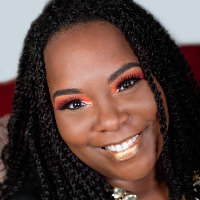
North Carolina · 30 yrs exp
Compassionate, holistic therapist for lasting change
LGBT · Relationship · Family · Trauma and abuse · +13 more
Read profile
Florida · 14 yrs exp
Supportive LCSW for stress and addiction concerns
Stress, Anxiety · Trauma and abuse · Grief · Self esteem · +13 more
Read profile
Florida · 24 yrs exp
Compassionate, practical counseling for life changes
Stress, Anxiety · Addictions · Grief · Self esteem · +14 more
Read profile
South Carolina · 20 yrs exp
Compassionate, practical therapy for life’s challenges
Stress, Anxiety · Relationship · Eating · Self esteem · +10 more
Read profile
Missouri · 17 yrs exp
Compassionate counselor for life and addiction challenges
Stress, Anxiety · Addictions · Relationship · Anger · +9 more
Read profile
North Carolina · 13 yrs exp
Care that focuses on practical change and recovery
Stress, Anxiety · Addictions · Intimacy-related issues · Depression · +10 more
Read profile
North Carolina · 30 yrs exp
Experienced counselor for addiction and stress
Stress, Anxiety · Addictions · LGBT · Trauma and abuse · +1 more
Read profile
South Carolina · 8 yrs exp
Compassionate counselor focused on practical change
Stress, Anxiety · Relationship · Family · Coping with life changes · +11 more
Read profile
South Carolina · 8 yrs exp
Compassionate person-centered counselor
Stress, Anxiety · Trauma and abuse · Self esteem · Depression · +16 more
Read profile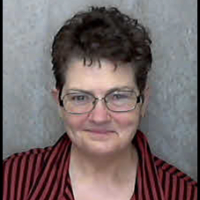
Texas · 35 yrs exp
Experienced Texas clinician for complex life concerns
Stress, Anxiety · Relationship · Family · Trauma and abuse · +14 more
Read profileWhen you explore therapists who list Family of Origin Issues and addiction or substance-use concerns, you are looking at professionals who have chosen to highlight both areas on their profiles. That listing does not establish a causal link between the two for any individual, nor does it prove specialized certification. What it does do is indicate that the therapist has named both topics as areas they address. You may be interested in how your upbringing - patterns of communication, roles assigned to family members, attitudes toward emotion and substances - shows up in your current behavior. Many people find it useful to look for a clinician who can hold both the history of the family and present-day substance-related patterns in view so you can examine connections without assuming one automatically causes the other.
As you read profiles, pay attention to how therapists describe addressing family dynamics alongside substance-use concerns. Some profiles frame family of origin work as helping you understand learned coping strategies, while others emphasize the impact of early relationships on stress, cravings, and relapse worries. You should expect an individual conversation with a therapist to determine whether their focus aligns with your goals, including whether they regularly work with the age group or relationship configuration you are bringing.
Your family history can shape the ways you regulate emotion, seek comfort, and manage stress. In many cases these patterns are tied up with behavioral routines that include substance use or other addictive behaviors. You might experience cravings at moments that echo past family dynamics - for example, during conflict, isolation, or on occasions that were historically stressful. Those are common experiences and they do not mean you are at fault for struggling. What matters is identifying the conditions that make cravings and relapse worries more likely so you can plan supports and coping strategies.
It is also common for family dynamics to affect work and intimate relationships. You may notice that certain behavioral patterns interfere with concentration, scheduling, or reliability at work, or that family roles influence how you seek help or set boundaries. If you are concerned about safety, risk of overdose, or severe withdrawal, online talk therapy is not a substitute for medical care. People at risk of withdrawal or overdose should seek immediate medical attention. If you are in the United States and need immediate support, you can dial 988 for the Suicide & Crisis Lifeline or call the SAMHSA National Helpline at 1-800-662-HELP (4357) for information on treatment referral and support.
Concrete questions help you evaluate whether a therapist's way of working matches what you need. Ask how they typically integrate family of origin work with addiction-related concerns and which populations they commonly work with - adults, adolescents, couples, or families. Ask whether they have experience addressing cravings, relapse prevention planning, and the impact of substance use on employment and parenting. Ask specific process questions such as how they balance exploring family history with addressing immediate behavioral risks or coping needs.
It is appropriate to ask about the approaches a therapist lists and how those approaches are applied in practice. For example, you might ask, 'You list cognitive-behavioral approaches - how do you use them with family of origin material and substance-use concerns?' or 'You list EMDR among your approaches - how might that be used when someone wants to process traumatic family memories related to substance use?' Framing questions about application and expected steps encourages a practical conversation rather than assuming any particular method will be used.
Before you begin online sessions, discuss logistics and safety up front. Confirm the clinician's listed location and whether they hold a current license or registration that permits them to offer care where you live. Distinguish academic degrees from licenses: a PhD, PsyD, MD, MA, or MSW describes education, while a license or registration indicates legal permission to practice. A degree on its own does not guarantee that the clinician is currently authorized to provide services in your state or country.
Talk about how urgent situations will be handled, including what to do if you experience intense cravings or thoughts of self-harm between sessions. Clarify whether the therapist collaborates with medical providers when medication management or detox supervision is needed. Online talk therapy is not a substitute for medically supervised withdrawal or residential programs when those are indicated. If you are at risk of withdrawal or overdose, seek in-person medical care immediately and use crisis resources such as 988 or the SAMHSA helpline in the U.S.
Profiles can vary widely in the ways therapists describe their focus and style. As you compare, read how a clinician explains Family of Origin Issues in relation to addiction or substance-use concerns. Note the languages they list if you prefer to work in a language other than English. Look at stated populations and focus areas to see whether they mention working with adults, adolescents, couples, or families, but remember that a listed topic does not establish that the therapist treats children, couples, or families. Those specifics should be confirmed directly in conversation.
Pay attention to how therapists describe credentials. Degrees such as PhD, PsyD, MD, MA, and MSW indicate academic background while credentials such as LCSW, LPC, LMFT, or similar labels indicate licensure and permission to practice in a given jurisdiction. Ask any clinician you contact to confirm their current license status and whether they are authorized to offer care in your listed location. Also consider therapy style descriptions - whether the therapist emphasizes exploration of early relationships, practical skills for managing cravings, relapse prevention planning, or support for work and parenting impacts - and imagine which style feels most likely to help you engage.
Your search can be intentional and pragmatic. Use profiles to gather factual information about listed focus areas, languages, degrees, and the therapist's described approach. Then reach out with specific questions about experience, licensing, and how they handle medical risks related to substance use. A conversation that addresses how family of origin topics and substance-use concerns will be balanced gives you a clearer sense of fit than assumptions based on a single line in a profile. Take time to verify credentials and permission to practice in your location, and prioritize immediate medical help when withdrawal or overdose is a risk.
Exploring profiles is a first step. When you find a clinician whose described focus and style resonate, a direct conversation will help you decide whether to pursue care together and how to structure it to address both family history and current substance-related challenges.
Alabama
13 therapists
Alaska
2 therapists
Arizona
9 therapists
Arkansas
5 therapists
California
19 therapists
Colorado
8 therapists
Connecticut
5 therapists
Delaware
33 therapists
District of Columbia
23 therapists
Florida
1068 therapists
Georgia
389 therapists
Hawaii
3 therapists
Idaho
3 therapists
Illinois
11 therapists
Indiana
8 therapists
Iowa
4 therapists
Kansas
2 therapists
Kentucky
5 therapists
Louisiana
11 therapists
Maine
2 therapists
Maryland
134 therapists
Massachusetts
3 therapists
Michigan
8 therapists
Minnesota
2 therapists
Mississippi
4 therapists
Missouri
5 therapists
Nebraska
1 therapist
Nevada
2 therapists
New Hampshire
3 therapists
New Jersey
8 therapists
New Mexico
2 therapists
New York
18 therapists
North Carolina
364 therapists
Ohio
15 therapists
Oklahoma
1 therapist
Oregon
1 therapist
Pennsylvania
20 therapists
Rhode Island
1 therapist
South Carolina
155 therapists
Tennessee
11 therapists
Texas
28 therapists
Utah
7 therapists
Vermont
2 therapists
Virginia
166 therapists
Washington
5 therapists
West Virginia
39 therapists
Wisconsin
4 therapists
Wyoming
1 therapist