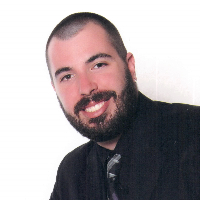
Lee Schlanger, LMHC
Therapist in Florida
Compassionate counselor for life transitions
Review online therapy options on BetterHelp.
Profile checklist
- CredentialsLMHC
- License listedLMHC, Florida (no. MH18548)
- NPI number1346866035
- Experience5 years listed
- LanguageEnglish
- Main areas of focusStress, Anxiety, Addictions, Trauma and abuse, Grief
- Approaches includeAttachment-Based Therapy, Client-Centered Therapy, Cognitive Behavioral Therapy (CBT), Dialectical Behavior Therapy (DBT)
- FormatOnline sessions through BetterHelp
Details as listed on the therapist’s BetterHelp profile.
- Addictions support
- Anxiety and mood
- Skills focused
About Lee
He keeps sessions straightforward and grounded. Early meetings focus on building connection and identifying immediate priorities. From there he helps people work through painful feelings and look for patterns that contribute to ongoing distress.
Lee combines practical tools with attention to relationships and emotions. He draws from client-centered and attachment-based ideas to strengthen trust and safety. He also uses cognitive behavioral and dialectical behavior techniques to teach coping skills and change unhelpful thinking and behaviors.
People who meet with him can expect a warm, nonjudgmental approach. He emphasizes collaboration, listening first, and helping people set goals they can manage. Lee says he will not promise a cure, only a respectful counseling relationship built on trust and validation.
Lee practices in Florida and speaks English. He has experience supporting people through substance use concerns, family-of-origin problems, parenting stress, intimacy and commitment issues, and caregiver fatigue. Prospective clients should confirm current session options before booking.
How therapeutic approaches fit into online therapy
Attachment-Based Therapy focuses on how early relationships shape current connections. It helps people notice patterns in how they relate to others and build more secure ways of connecting. Cognitive Behavioral Therapy, or CBT, looks at how thoughts, feelings, and behaviors interact. It teaches concrete skills to change unhelpful thinking and to develop new coping habits.Finding the right approach is part of the work together. The therapist will talk with the client about goals, symptoms, and preferences, then suggest approaches that may fit best. Decisions are collaborative and can change as needs evolve.
The biography notes experience with telehealth, but does not list all session formats here, so confirm current options before booking. Online sessions can make it easier to fit therapy into a busy life - they can cut travel time, allow a shorter check-in during a break, or let someone choose a quieter setting that works for them. Licensed professionals can use the same therapeutic tools online as in person, adapting exercises and skill practice so they work through a screen or phone call rather than in the same room.
Areas of expertise
Also works with
Additional focus areas
Therapeutic approaches
Experience
5+ years
Credentials
Florida
Languages
English
Frequently asked questions
What concerns does Lee focus on?
Lee works with stress, anxiety, addictions, trauma and abuse, grief, depression, relationship and family issues, parenting concerns, anger, self-esteem, bipolar disorder, and coping with life changes.
How would you describe his therapeutic style?
His style is warm and inviting with an emphasis on connection. Sessions start by identifying primary symptoms and then move toward emotional processing and problem solving.
What is his professional background?
He has been working as a mental health counselor since 2017, bringing five years of clinical experience to his practice.
Where does he practice and what credential does he hold?
He practices in Florida and holds the Florida Licensed Mental Health Counselor credential, abbreviated as FL LMHC.
Which languages are offered for sessions?
Sessions are offered in English and he accepts international clients.
What session formats are available?
The original biography references telehealth work, but specific current session formats are not listed here. Please confirm available formats before booking.
How does pricing work?
Cost varies with location and therapist availability and sessions use a subscription that can be canceled at any time.
How do I get started with therapy?
Choose the Start Therapy button, complete a short matching questionnaire, and then schedule according to the therapist's availability.