Michael Misterka, LCSW-C
Therapist in Maryland
Helpful, practical therapy for life and addictions
Review online therapy options on BetterHelp.
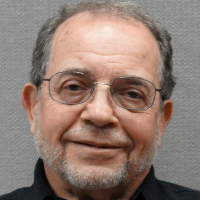
Profile checklist
- CredentialsLCSW-C
- License listedLCSW-C, Maryland (no. 16573)
- NPI number1720407919
- Experience15 years listed
- LanguageEnglish
- Main areas of focusStress, Anxiety, Relationship issues, Family conflicts, Parenting issues
- Approaches includeAttachment-Based Therapy, Client-Centered Therapy, Emotionally-Focused Therapy (EFT), Motivational Interviewing
- FormatOnline sessions through BetterHelp
Details as listed on the therapist’s BetterHelp profile.
- Client-led goals
- Practical steps
- Attachment focus
About Michael
He blends several approaches to suit individual needs, drawing on attachment-based ideas, emotionally-focused and client-centered work, motivational interviewing, and psychodynamic perspectives. Sessions look at patterns that date back to family of origin while also identifying concrete behaviors to change. Michael encourages honest conversation about what will work for each person.
Over 15 years of practice he has worked with people facing trauma and abuse, parenting challenges, domestic violence aftermath, substance use and reentry after incarceration, and the stresses that come with career and life transitions. He is comfortable addressing men’s issues, fatherhood concerns, and problems like isolation, shame, and jealousy.
Michael holds an LCSW-C in Maryland and practices with a focus on straightforward, collaborative care. He offers help for emotional pain and relationship difficulties without promising specific outcomes. Sessions are conducted in English.
To begin, visitors complete a short matching questionnaire and schedule according to the therapist’s availability. The subscription model used for payment can be canceled at any time, and cost varies with location and availability. Prospective clients should confirm current session options before booking.
How his approaches translate to online work
Attachment-based work focuses on how early relationships shape current connections and emotional responses. Online sessions using this approach help people recognize patterns in relationships and practice different ways of responding to reduce conflict and closeness fears.Client-centered therapy centers the person’s own goals and pace. In remote sessions this means the therapist follows the client’s lead, offers reflective listening, and helps people name what matters most so they can try small, practical changes between meetings.
Emotionally-Focused Therapy (EFT) helps people access and work with strong emotions to change interaction patterns. When conducted online EFT supports people in identifying feelings and trying new ways of relating, which can ease tension around intimacy and communication.
Finding the right approach is part of the work. The therapist will collaborate with each person to pick methods that match their needs, goals, and comfort level. That conversation continues as progress is made and priorities shift.
The original biography does not list specific remote session formats, so confirm current options before booking. Online therapy can make it easier to fit sessions into a busy life, reduce travel time, and allow for shorter check-ins when schedules are tight. It also lets people access the same therapeutic methods described above in a way that matches their daily routine.
Areas of expertise
Primary focus
Also works with
Additional focus areas
Therapeutic approaches
Experience
15+ years
Credentials
Maryland
Languages
English
Frequently asked questions
What concerns does this therapist help with?
He works with stress, anxiety, addiction, relationship and parenting challenges, trauma and abuse, grief, depression, and related concerns like shame, isolation, and anger.
How would you describe his therapeutic style?
He uses a client-centered, collaborative style that emphasizes honest conversation and practical changes guided by the client’s goals.
What is his clinical experience?
He has 15 years of counseling experience, including work with people affected by substance use, trauma, reentry after incarceration, and relationship conflict.
What credentials and location are listed?
He holds an LCSW-C in Maryland and practices there, working in English.
Are sessions offered in other languages or to international clients?
Sessions are offered in English and he does not accept international clients currently.
What session formats are available?
The original biography does not specify session formats, so please confirm current session options with the service before booking.
How is cost handled for therapy?
Cost varies with location and therapist availability; sessions use a subscription that can be canceled at any time.
How do I begin working with him?
Start by selecting the Start Therapy button, complete a short matching questionnaire, and then schedule sessions according to the therapist’s availability.