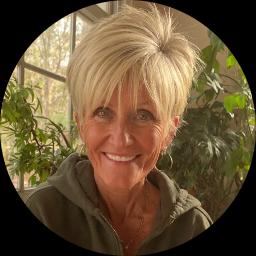
Melissa Schreiber, LCMHC
Therapist in North Carolina
Experienced counselor for addiction and relationships
Review online therapy options on BetterHelp.
Profile checklist
- CredentialsLCMHC
- License listedLCMHC, North Carolina (no. 14223)
- NPI number1578739330
- Experience20 years listed
- LanguageEnglish
- Main areas of focusStress, Anxiety, Addictions, Relationship issues, Family conflicts
- Approaches includeClient-Centered Therapy, Cognitive Behavioral Therapy (CBT), Emotionally-Focused Therapy (EFT), Existential Therapy
- FormatOnline sessions through BetterHelp
Details as listed on the therapist’s BetterHelp profile.
- Addictions support
- Relationship help
- Practical coping tools
About Melissa
Her style is warm and straightforward. She listens first and then helps people build practical tools they can use between sessions. Conversations in therapy aim to increase understanding, reduce harmful patterns, and improve day-to-day functioning.
Melissa blends client-centered work with cognitive behavioral methods to help people notice and change the thoughts and behaviors that keep them stuck. She also uses emotionally-focused ideas to address relationship patterns and attachment concerns. The Gottman Method informs how she approaches communication and conflict in intimate relationships.
Over two decades in practice, Melissa has supported people facing addiction, domestic violence aftermath, family of origin issues, and other complex stressors. She also works with those dealing with gender dysphoria, hospice and end-of-life concerns, and health-related challenges such as HIV/AIDS. Her experience includes helping people who are hearing impaired.
Clients can expect a collaborative process that values their goals and pace. Melissa aims to help people build resilience, resolve relationship conflict, and find clearer direction in their lives. She practices in North Carolina as an NC LCMHC and offers services in English. Confirm current session options before scheduling.
How Melissa’s approaches translate to online work
Many of the methods Melissa uses adapt well to remote sessions. Client-Centered Therapy focuses on listening and building trust; online sessions let a therapist follow a person's pace and reflect what matters most to them. Cognitive Behavioral Therapy (CBT) looks at thoughts and actions and uses clear exercises and homework that fit well into online formats. Emotionally-Focused Therapy (EFT) concentrates on relationship patterns and emotions, and it can help people notice interaction cycles and practice new responses in session.Choosing the right approach is a collaborative process. The therapist will talk with clients about goals and preferences, try different techniques, and adjust the plan if something is not helping. Finding a good fit often takes a few sessions and shared decision making.
Session formats are not listed in the biography, so please confirm the available online options before booking. Online therapy can make it easier to fit work into a busy day, reduce travel time, and allow shorter check-ins when a full session isn't needed. It also means people in other states or countries can connect with a licensed professional in North Carolina, depending on current session rules and scheduling.
Areas of expertise
Primary focus
Also works with
Additional focus areas
Therapeutic approaches
Experience
20+ years
Credentials
North Carolina
Languages
English
Frequently asked questions
What concerns does this therapist help with?
She supports people dealing with stress, anxiety, addictions, depression, grief, trauma, relationship and family issues, intimacy concerns, anger, and coping with life changes.
How would you describe the therapy style?
The approach is warm, direct, and collaborative. Sessions focus on listening, building practical tools, and improving daily functioning.
What is her professional background?
She has 20 years of clinical experience working with a wide range of emotional and relational issues, including addiction and domestic violence aftermath.
What credentials and location are listed?
She is an NC LCMHC, which stands for licensed clinical mental health counselor in North Carolina.
Which languages are available for sessions?
Sessions are offered in English, and international clients are accepted.
What session formats are available?
Session formats are not specified here; please confirm current session options before booking to know which formats are offered.
How is cost handled for sessions?
Cost varies with location and therapist availability; sessions use a subscription that can be canceled at any time.
How do I get started with therapy?
Click the Start Therapy button, complete a short matching questionnaire, and schedule sessions according to therapist availability.