James Malone, LMHC
Therapist in Florida
Addictions-focused counselor helping adults
Review online therapy options on BetterHelp.
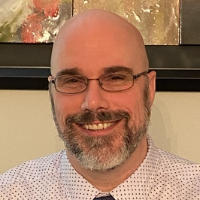
Profile checklist
- CredentialsLMHC
- License listedLMHC, Florida (no. MH16907)
- NPI number1669037388
- Experience13 years listed
- LanguageEnglish
- Main areas of focusStress, Anxiety, Addictions, Anger management, Self esteem
- Approaches includeAcceptance and Commitment Therapy (ACT), Client-Centered Therapy, Cognitive Behavioral Therapy (CBT), Existential Therapy
- FormatOnline sessions through BetterHelp
Details as listed on the therapist’s BetterHelp profile.
- Addictions support
- Practical strategies
- Values-based work
About James
He approaches therapy in a straightforward way. Sessions center on the person's goals and practical steps they can try between meetings. He draws on client-centered work, cognitive behavioral ideas, and acceptance-based strategies to tailor each plan to the person in front of him.
James earned a master’s degree in counseling and psychology from Troy University in 2016 and has worked in varied treatment settings since 2012. That background includes helping people with trauma, obsessive-compulsive symptoms, grief, family problems, and dual diagnosis related to substance use.
In sessions he helps clients name the patterns that are causing pain and test small changes to see what shifts. He also supports people who want to explore faith or deepen a spiritual life as part of their recovery. The focus is on practical change, clearer thinking, and rebuilding daily routines that support well-being.
He invites people to think of therapy as teamwork. He listens for strengths, offers straightforward feedback, and adjusts methods as needs change. This helps people move from feeling stuck to acting in ways that match their values and goals.
How these approaches guide online work
Acceptance and Commitment Therapy (ACT) helps people notice painful thoughts and feelings without getting ruled by them, then choose actions that match their values. It is often useful for issues like anxiety, depression, and addiction where avoidance keeps problems going. Cognitive Behavioral Therapy (CBT) focuses on the links between thoughts, feelings, and actions and teaches concrete skills to change unhelpful patterns, which can help with mood, anxiety, and impulse control. Client-Centered Therapy emphasizes a respectful, nonjudgmental stance where the therapist listens closely and follows the person's lead to build confidence and self-understanding.Finding the right approach is part of the work. The therapist will talk with each person about goals, preferences, and what has worked or not worked in the past. Together they decide which methods to try and adjust the plan as progress is made, so the process stays collaborative and responsive.
If you are considering online therapy, confirm the session formats offered before booking. Online work can make it easier to fit sessions into busy schedules, reduce travel time, and allow shorter check-ins when days are tight. It can also let someone continue care during life transitions or while living farther from in-person services. Licensed professionals and therapists can use ACT and CBT techniques effectively in online meetings, and the focus will be on practical steps you can try between sessions.
Areas of expertise
Primary focus
Also works with
Additional focus areas
Therapeutic approaches
Experience
13+ years
Credentials
Florida
Languages
English
Frequently asked questions
What kinds of concerns does this therapist address?
He helps people with addictions and many related issues such as stress, anxiety, depression, grief, trauma, relationship and family problems, and difficulties with impulse control.
What is the therapy style like in sessions?
Sessions are practical and goal oriented, focused on the person's priorities. James uses direct listening, collaborative problem solving, and short exercises to test changes between sessions.
How much clinical experience does he have?
He has worked in mental health and addictions since 2012, bringing about 13 years of experience across different care settings.
What credentials and region are listed for this clinician?
He is a Licensed Mental Health Counselor (LMHC) practicing in Florida.
Which languages are supported and can international clients work together?
Sessions are offered in English, and he accepts international clients.
What session formats are available?
Session formats are not specified here, so please confirm current options before booking to make sure they fit your needs.
How does payment and cost work for sessions?
Cost varies with location and therapist availability and sessions use a subscription that can be canceled at any time.
How do I begin working with this therapist?
Use the Start Therapy button, complete a short matching questionnaire, and then schedule sessions according to the therapist's availability.