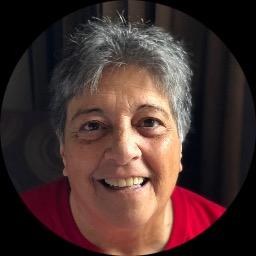
Linda Losi, LCSW
Therapist in Florida
Experienced LCSW blending clinical skills and compassion
Review online therapy options on BetterHelp.
Profile checklist
- CredentialsLCSW
- License listedLCSW, Florida (no. SW18225)
- NPI number1336200278
- Experience35 years listed
- LanguageEnglish
- Main areas of focusStress, Anxiety, Addictions, LGBT, Trauma and abuse
- Approaches includeClient-Centered Therapy, Cognitive Behavioral Therapy (CBT), Dialectical Behavior Therapy (DBT), Existential Therapy
- FormatOnline sessions through BetterHelp
Details as listed on the therapist’s BetterHelp profile.
- Addictions support
- Practical coping tools
- Nonjudgmental care
About Linda
Her approach is practical and collaborative. She listens first, then helps clients set small, doable goals. Sessions may involve learning new coping skills, practicing different ways of thinking, and using guided relaxation when helpful. Linda emphasizes action and real-world steps that fit into busy lives.
Clients often bring a range of concerns such as stress, relationship strain, grief, parenting pressure, or struggles with self-esteem and identity. She also works with people dealing with ADHD, bipolar mood challenges, eating issues, and compassion fatigue. Her profile also notes attention to antisocial personality dynamics, codependency, commitment and communication problems, guilt and shame, and post-traumatic stress.
Linda integrates several methods to match each person’s needs. These include client-centered work that focuses on the person’s goals, cognitive behavioral tools to change unhelpful thinking and behavior, dialectical skills for emotional regulation, existential ideas about meaning, and hypnotherapy for relaxation and focus.
Her tone is down-to-earth and often warm. She encourages humor and honesty in sessions while also asking clients to do the work needed for change. To begin, readers should use the site's Start Therapy button to complete the short matching questionnaire and schedule according to availability.
How therapeutic approaches shape online care
Client-Centered Therapy focuses on the person's own goals and experiences. It involves listening closely, reflecting what the client says, and helping them steer sessions toward what matters most. This approach is helpful for people who want an empathetic listener and to set personal priorities.Cognitive Behavioral Therapy, or CBT, looks at how thoughts and actions affect feelings. It teaches practical tools to test unhelpful thoughts and build new habits, which can be useful for anxiety, depression, and addiction-related behaviors. Dialectical Behavior Therapy, or DBT, adds concrete skills for managing intense emotions and improving interpersonal effectiveness. It is often used when people need ways to calm strong feelings and handle conflict more effectively.
Finding the right approach is part of the work. The therapist will discuss goals, preferences, and what has or has not helped in the past. Together they will try methods that fit the client's needs and adjust the plan as progress is made.
Confirm current online session options before booking since formats are not specified in the profile. In general, online therapy can make it easier to fit appointments into a busy week, reduce travel time, and allow for shorter check-ins when needed. Some formats also work better for quieter conversations while others suit skill practice or longer sessions, so choose the option that best fits daily life and comfort.
Areas of expertise
Primary focus
Also works with
Additional focus areas
Therapeutic approaches
Experience
35+ years
Credentials
Florida
Languages
English
Frequently asked questions
What kinds of concerns does this therapist address?
Linda helps people with addictions, anxiety, trauma and abuse, depression, stress, relationship and intimacy-related issues, grief, parenting and self-esteem, among other concerns.
How would you describe the therapy style here?
The style is collaborative and down-to-earth. Linda listens, helps set small goals, and uses practical skills work alongside reflective conversation.
What is this therapist's background and experience?
She brings more than 35 years of experience and a prior career as a registered nurse, combining clinical perspectives from both fields.
What credentials and location are listed for the therapist?
She is a Licensed Clinical Social Worker, LCSW, practicing from Florida.
Which languages are supported and are international clients accepted?
Sessions are offered in English and international clients are not currently accepted.
What session formats are available?
Confirm current session options before booking, as specific formats are not listed in the profile.
How are fees and payment handled?
Cost varies with location and therapist availability; sessions use a subscription that can be canceled at any time.
How do I begin working with this therapist?
Use the Start Therapy button, complete the short matching questionnaire, and then schedule a session according to therapist availability.