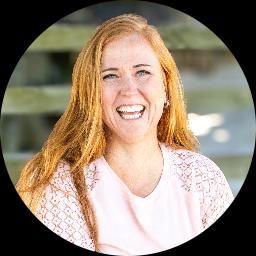
Cheryl Hann, LPC, LCMHC
Therapist in North Carolina
Compassionate counseling for life transitions
Review online therapy options on BetterHelp.
Profile checklist
- CredentialsLPC, LCMHC
- Licenses listedLCMHC, North Carolina (no. S15803); LPC, South Carolina (no. 10167)
- NPI number1528442449
- Experience10 years listed
- LanguageEnglish
- Main areas of focusStress, Anxiety, Self esteem, Career difficulties, Depression
- Approaches includeClient-Centered Therapy, Cognitive Behavioral Therapy (CBT), Dialectical Behavior Therapy (DBT), Motivational Interviewing
- FormatOnline sessions through BetterHelp
Details as listed on the therapist’s BetterHelp profile.
- Client-centered care
- Addictions support
- Military experience
About Cheryl
She adapts conversations and treatment to each person’s situation. Cheryl draws on approaches that help clients build motivation, cope with life changes, and regain confidence. She has worked with concerns related to grief, trauma and abuse, and intimacy issues, and she includes addictions in her scope of focus.
Cheryl has documented experience supporting active duty military and veterans in clinical settings. Her background also includes Hispanic and Chicano cultural studies, and she notes university-level Spanish competency. She has studied religious trauma and the process of adjusting after involvement in high-demand religious groups.
In practical terms Cheryl aims to make therapy a collaborative effort. She helps people name what matters, set manageable goals, and try new behavior between sessions. The work is paced to each person’s needs and preferences.
Her stated specialties extend to caregiving stress, body image, codependency, communication problems, and several other life stresses people commonly face. Cheryl frames the therapeutic relationship as support for change and empowerment.
How Cheryl's approaches translate to online work
Cheryl uses client-centered therapy to put the person's experience first, listening closely and tailoring conversations to what matters most. Cognitive behavioral therapy (CBT) is another tool she draws on to help people notice unhelpful thoughts and try practical behavior changes that reduce symptoms. Dialectical behavior therapy (DBT) skills may be used to teach emotion regulation, distress tolerance, and clearer communication when strong emotions are getting in the way.Choosing the right approach is a collaborative process. Cheryl works with each person to identify goals and preferences, then tries methods that fit those aims. She checks in and adjusts the plan as progress or challenges emerge, so the work stays focused and useful.
Confirm the available session options before booking, since formats are not listed here. Online work can make it easier to fit therapy into a busy life - for example, sessions can be scheduled around work breaks, reduce travel time, or allow shorter check-ins when needed. Licensed professionals can use several approaches effectively in remote sessions, and Cheryl aims to help people apply therapy skills in everyday settings.
Areas of expertise
Primary focus
Also works with
Additional focus areas
Therapeutic approaches
Experience
10+ years
Credentials
North Carolina, South Carolina
Languages
English
Frequently asked questions
What kinds of concerns does Cheryl often help with?
She works with stress, anxiety, depression, self-esteem, career problems, and coping with life changes. Other areas include grief, trauma and abuse, intimacy-related issues, and addictions.
What is Cheryl's therapeutic style like?
She uses a client-centered approach and adapts the conversation to each person's needs. Her work also includes cognitive behavioral and dialectical behavior therapy techniques when appropriate.
How long has she practiced in the mental health field?
Cheryl has ten years of professional experience working in mental health settings.
Where is Cheryl licensed and based?
She is licensed in North Carolina with credentials listed as LPC and LCMHC.
Which languages are supported in sessions?
Sessions are offered in English, and Cheryl has noted university-level competency in Spanish.
Can international clients connect with Cheryl?
She accepts international clients, though it is helpful to confirm any regional details before scheduling.
How are fees and payment handled?
Cost varies with location and therapist availability; sessions use a subscription that can be canceled at any time.
What are the first steps to begin working together?
Use the Start Therapy button, complete a short matching questionnaire, and then schedule according to the therapist's availability.