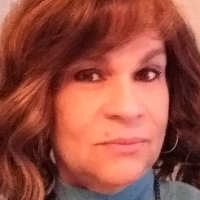
Suzanne Walker, LCMHC
Therapist in North Carolina
Practical, experienced counselor for addiction and mood
Review online therapy options on BetterHelp.
Profile checklist
- CredentialsLCMHC
- License listedLCMHC, North Carolina (no. 8367)
- NPI number1538486865
- Experience18 years listed
- LanguageEnglish
- Main areas of focusStress, Anxiety, Addictions, Self esteem, Bipolar disorder
- Approaches includeClient-Centered Therapy, Cognitive Behavioral Therapy (CBT), Mindfulness Therapy, Motivational Interviewing
- FormatOnline sessions through BetterHelp
Details as listed on the therapist’s BetterHelp profile.
- Addictions focused
- Client-centered style
- Uses CBT and mindfulness
About Suzanne
How Suzanne’s approaches work in online therapy
Client-centered work focuses on the person first. The therapist listens, follows your priorities, and helps you set goals that matter to you. This approach is useful when someone needs space to talk through difficult experiences and make a plan at their own pace.Cognitive Behavioral Therapy, or CBT, looks at how thoughts, feelings, and actions interact. Suzanne uses practical CBT strategies to help people change unhelpful thinking and try new behaviors, which can ease anxiety, depression, and some addiction-related patterns.
Mindfulness therapy teaches simple attention and breathing practices. These tools help when stress, panic, or strong emotions feel overwhelming and someone needs quick ways to calm their reactions.
Choosing the right approach is part of working together. Suzanne will talk with each person about goals, preferences, and what felt helpful in the past. Together they decide whether to use client-centered conversations, CBT techniques, mindfulness exercises, motivational interviewing, or a combination.
Session options mentioned in the original biography include video, telephone, and live chat. Confirm the current session formats before booking so you know what will be available. Online therapy can make it easier to fit appointments into workdays, reduce travel time, and allow shorter check-ins when life is busy. Licensed professionals can adapt tools like CBT and mindfulness to work in these formats so people can practice skills between sessions.
Areas of expertise
Primary focus
Also works with
Additional focus areas
Therapeutic approaches
Experience
18+ years
Credentials
North Carolina
Languages
English
Frequently asked questions
What concerns does Suzanne commonly address?
She works with stress, anxiety, addictions, mood disorders like depression and bipolar, trauma, grief, sleep problems, anger, ADHD, relationship and communication issues, and chronic pain or illness.
What is her therapy style like?
Sessions are practical and person-focused. She uses client-centered listening, motivational interviewing to build change, and cognitive and mindfulness tools for day-to-day coping.
How much experience does she have?
She has 18 years working in a range of settings including outpatient care, treatment centers, and community support teams.
What are her credentials and where does she practice?
She holds an LCMHC credential and practices in North Carolina.
Can I work with her in languages other than English?
Sessions are offered in English only.
Does she accept clients from other countries?
She is not currently accepting international clients.
How does cost and billing work?
Cost varies by location and therapist availability; sessions use a subscription that can be canceled at any time.
How do I begin the process?
Select the Start Therapy button, complete the short matching questionnaire, and schedule according to therapist availability.